July 20, 2026
Extreme weather has become a growing concern for homeowners across the country. Heavy rain, strong winds, drought, and rapid temperature changes can all take a toll on your property over time. While many people focus on protecting their roof, foundation, or siding, the landscape surrounding a home plays an equally important role in minimizing damage. Thoughtful landscaping can help direct water away from the foundation, reduce erosion, stabilize soil, and create natural barriers against harsh weather conditions.
Working with experienced landscaper companies gives homeowners access to solutions that go far beyond improving curb appeal. A professional landscaping contractor can evaluate your property's unique conditions and recommend improvements that increase durability while enhancing its appearance. Whether you are dealing with a sloped yard, poor drainage, or frequent flooding, strategic landscape planning can help protect your investment for years to come.
What Are the Benefits of Hiring a Landscaping Contractor for Weather Protection?
Professional
landscaper companies understand how weather interacts with soil, vegetation, and hardscape features. Rather than treating landscaping as purely decorative, they view it as an important part of your home's overall protection system.
One of the primary benefits is improved water management. Heavy rainfall can quickly overwhelm yards that lack proper grading or drainage. Water that pools near the home's foundation increases the risk of basement leaks, foundation settlement, and structural damage. A landscaping contractor can reshape the property's grading to encourage water to flow safely away from the house.
Strategically placed plants also contribute to weather protection. Deep-rooted grasses, shrubs, and trees help anchor soil while absorbing excess moisture. During storms, healthy vegetation slows runoff and reduces the amount of sediment washed away.
Wind protection is another valuable advantage. Carefully positioned trees and shrubs can serve as windbreaks that reduce the impact of strong gusts on your home and outdoor living spaces. These natural barriers may also help reduce heating costs during colder months by limiting wind exposure.
Professional landscaper companies also understand which plants thrive in local climate conditions. Choosing native or climate-adapted species often leads to healthier landscapes that require less maintenance while remaining resilient during periods of drought or heavy rainfall.
How Do Landscaping Contractors Help Mitigate Erosion?
Erosion occurs when water or wind gradually removes soil from your property. Left untreated, erosion can expose tree roots, damage landscaping, weaken slopes, and even threaten your home's foundation.
One of the first steps landscaper companies take is identifying the causes of erosion. Factors such as steep slopes, poor drainage, compacted soil, and inadequate vegetation all contribute to soil loss. Once these issues are identified, contractors can recommend targeted solutions.
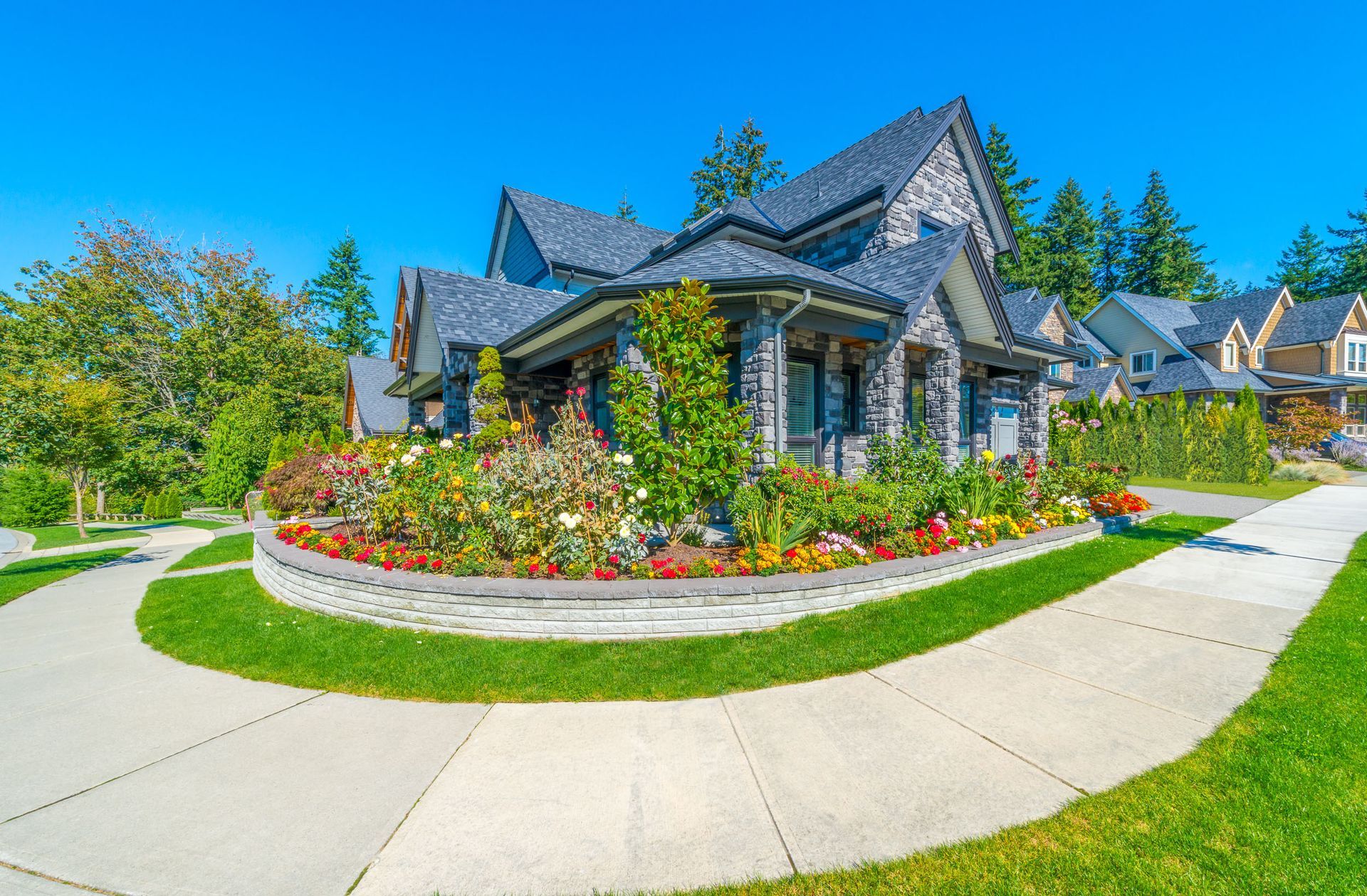
Retaining walls are among the most effective erosion control measures. These structures help stabilize hillsides while preventing soil from shifting during heavy rainstorms. Depending on the property's needs, retaining walls may be constructed using natural stone, concrete blocks, or other durable materials.
Ground cover plants also provide valuable erosion control. Unlike bare soil, dense vegetation helps absorb rainfall while reducing the speed of surface runoff. Mulch adds another protective layer by minimizing soil displacement and helping retain moisture.
Drainage improvements often play an equally important role. French drains, dry creek beds, catch basins, and swales all help redirect excess water before it has an opportunity to wash away valuable topsoil.
What Techniques Do Landscaper Companies Use to Protect Against Extreme Weather?
Every property presents unique challenges, so professional landscaper companies typically combine multiple techniques to maximize protection against severe weather.
Proper grading is one of the most important services they provide. Even subtle adjustments to a yard's slope can significantly improve drainage and reduce standing water around the home.
Permeable hardscaping has also become increasingly popular. Unlike traditional concrete surfaces, permeable pavers allow rainwater to pass through the surface and soak into the ground below. This reduces runoff while helping replenish groundwater naturally.
Rain gardens provide another environmentally friendly solution. These specially designed planting areas collect stormwater runoff and allow it to infiltrate slowly into the soil instead of overwhelming drainage systems.
Many contractors also install bioswales, which are shallow, landscaped channels designed to capture and filter stormwater. These systems reduce flooding while removing pollutants before water enters nearby waterways.
Selecting appropriate plant materials is equally important. Drought-tolerant plants can withstand prolonged dry periods, while flood-tolerant species perform well in areas prone to excessive moisture. Matching plants to site conditions improves their long-term health and effectiveness.
According to the American Society of Landscape Architects, a recent survey found that 44 percent of landscape architects and designers identified avoiding expected long-term climate damages as the greatest economic benefit of their climate-focused projects. This finding highlights how investing in resilient landscape improvements today may help homeowners avoid more costly repairs in the future.
How Can a Landscape Design Enhance Home Resilience?
A well-designed landscape does much more than improve aesthetics. It creates multiple layers of protection that work together to strengthen your property against changing weather conditions.
Healthy trees provide shade that helps reduce heat buildup around the home during summer. Lower surrounding temperatures can decrease stress on air conditioning systems while improving outdoor comfort.
Tree placement requires careful planning, however. Experienced landscaper companies position large trees far enough from structures to minimize the risk of root damage or falling limbs during storms while still delivering valuable shade and wind protection.
Thoughtful landscape design also creates effective drainage patterns throughout the property. Instead of allowing water to collect in vulnerable areas, properly designed landscapes guide runoff toward designated drainage features where it can safely disperse.
Hardscape elements contribute to resilience as well. Walkways, retaining walls, patios, and edging can all help stabilize soil while improving accessibility during wet weather. Durable materials designed for local climate conditions generally require fewer repairs over time.
Diverse plant selections further strengthen landscape performance. Using a variety of trees, shrubs, ornamental grasses, and ground covers reduces the likelihood that a single pest, disease, or weather event will severely impact the entire landscape.
What Should You Consider When Choosing a Landscaping Company for Weatherproofing?
Not all landscaping contractors offer the same level of expertise in erosion control and weather resilience. Choosing the right company can make a significant difference in the long-term success of your project.
Look for landscaper companies with experience designing drainage systems, retaining walls, and erosion control solutions. These services require technical knowledge that extends beyond routine lawn maintenance.
Ask about previous projects involving stormwater management or slope stabilization. Reviewing completed work can provide insight into the contractor's capabilities and attention to detail.
Local knowledge is another important factor. Contractors familiar with your area's soil conditions, rainfall patterns, and native plants are often better equipped to recommend effective solutions.
Communication also matters throughout the planning process. A quality contractor should explain why specific recommendations are appropriate for your property and discuss how each improvement contributes to weather protection.
Homeowners should also inquire about ongoing maintenance requirements. Even the best landscape designs benefit from periodic inspections, pruning, mulch replacement, and drainage cleaning to remain effective over time.
Protecting your home from extreme weather involves much more than preparing the structure itself. Your landscape serves as the first line of defense against heavy rainfall, erosion, flooding, wind, and changing climate conditions. When properly designed and maintained, it can reduce costly damage while preserving the beauty and value of your property.
Professional landscaper companies bring the expertise needed to evaluate drainage issues, stabilize vulnerable areas, select resilient plants, and implement long-lasting erosion control measures. Through thoughtful planning and proven techniques, they help homeowners create landscapes that remain attractive, functional, and durable throughout every season. Investing in weather-conscious landscaping today can provide lasting peace of mind while helping protect your home for many years to come. If you're looking for stylish and practical landscaping, reach out to the team at 4-Seasons Landscape today!