October 11, 2026
A functional outdoor space should support how you use your property while complementing your home. Local landscape designers can evaluate the available space, existing features, and your goals to create a more practical layout. Whether you want a comfortable place to relax, defined areas for entertaining, or easier access throughout the yard, thoughtful landscape planning can help bring those goals together.
The way your household uses the property can also influence the design. A yard that needs space for gatherings can require a different layout than one primarily used for quiet relaxation or enjoying plants. Identifying these priorities early can help create outdoor areas that serve practical purposes instead of adding features that don't fit your needs.
Evaluating Your Property Layout
Every property has different characteristics that can affect landscape design. Local landscape designers can evaluate the size and shape of the yard, existing vegetation, usable areas, and other site conditions before developing a plan. This approach helps determine where different features can fit while keeping the space practical.
Existing features can also influence the layout of a new design. Trees, slopes, structures, and established planting areas can all affect how people move through the property. Considering these elements early can help create a design that works with the existing space instead of requiring unnecessary changes.
Sun exposure and available space can also affect where certain landscape elements should be placed. Areas with different amounts of sunlight can support different types of plants, while open portions of the property can provide opportunities for patios or other usable areas. Taking these conditions into account can help create a design that works with the property's existing characteristics.
Planning More Usable Areas
Dividing an outdoor space into specific areas can make the property more functional. Local landscape designers can plan spaces for relaxing, entertaining, walking, gardening, or other activities based on how you want to use the yard. Clearly defined areas can also give the property a more organized appearance.
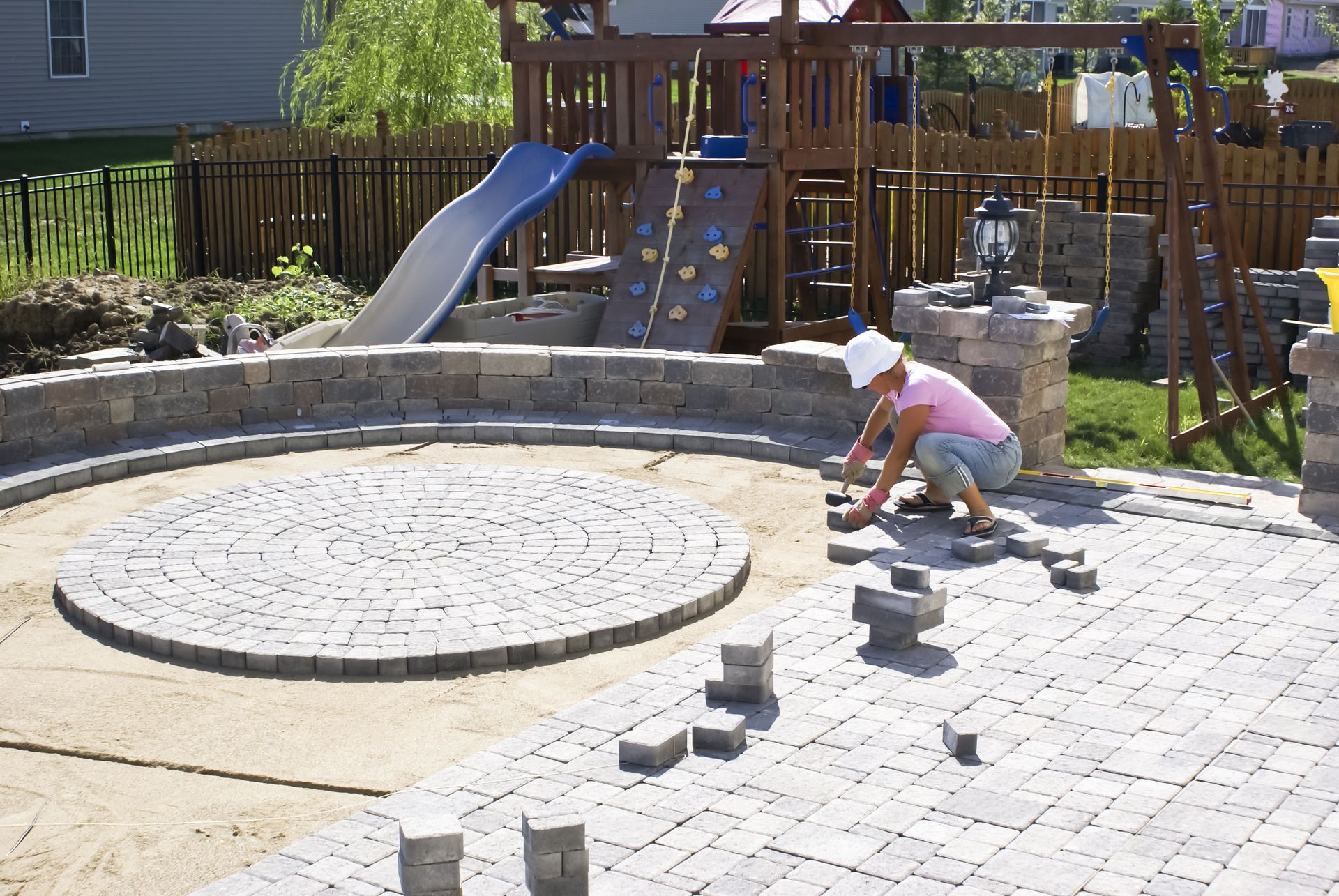
Hardscaping can play an important role in defining these spaces. Patios and walkways can create durable surfaces for outdoor use while helping connect different parts of the property. According to LawnStarter, well-designed hardscaping can increase a home's value by up to 15%.
Creating separate areas doesn't mean each space has to feel isolated. Thoughtful transitions between patios, planting beds, walkways, and open lawn areas can help the entire yard function as one connected space. This can be especially helpful when you want to use several portions of the property during the same gathering or activity.
Improving Outdoor Connections
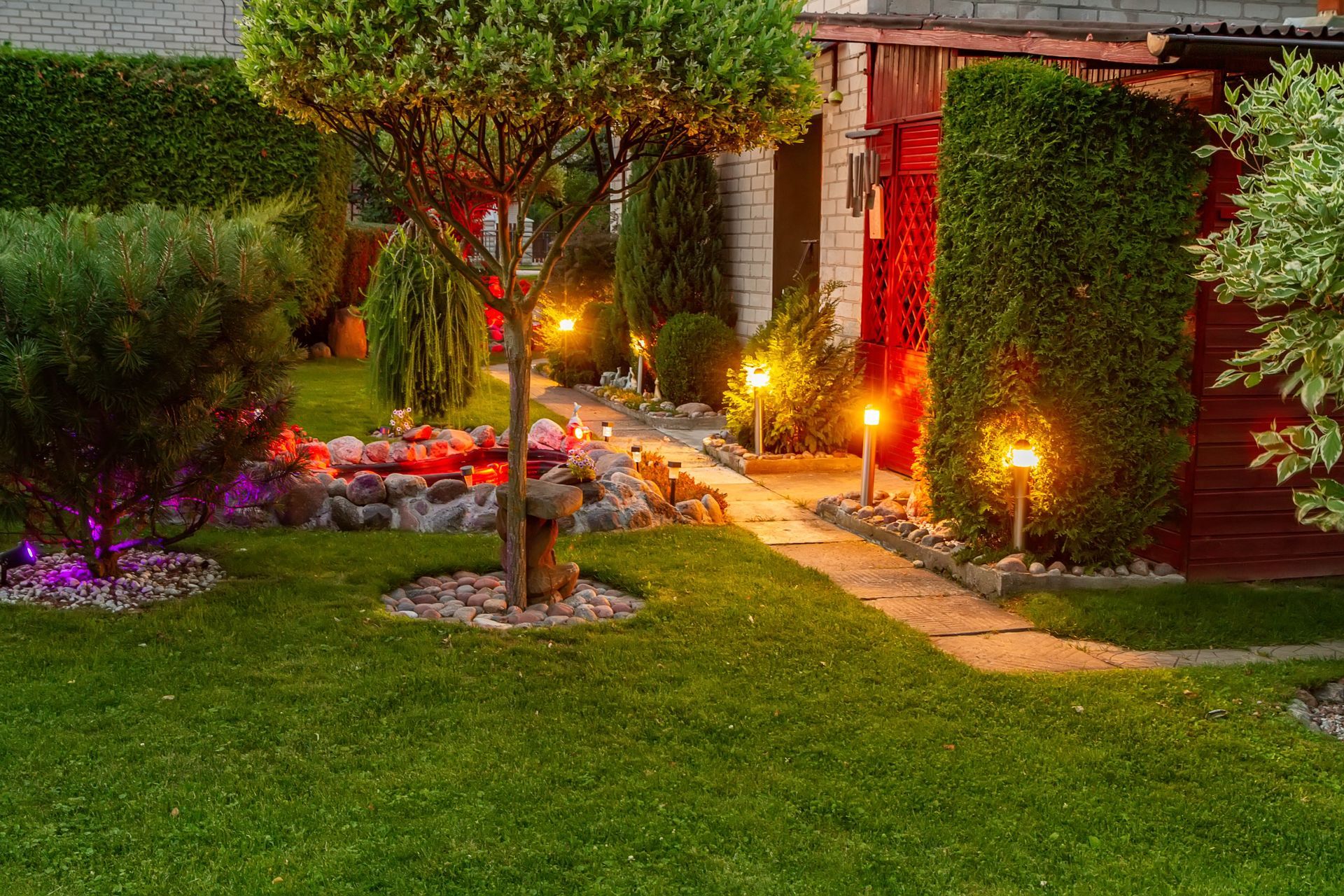
Walkways can make it easier to move between your home and different areas of the yard. Local landscape designers can incorporate pathways into the overall layout to create clear connections between patios, planting areas, and other outdoor features. Properly planned paths can also help direct foot traffic through the property.
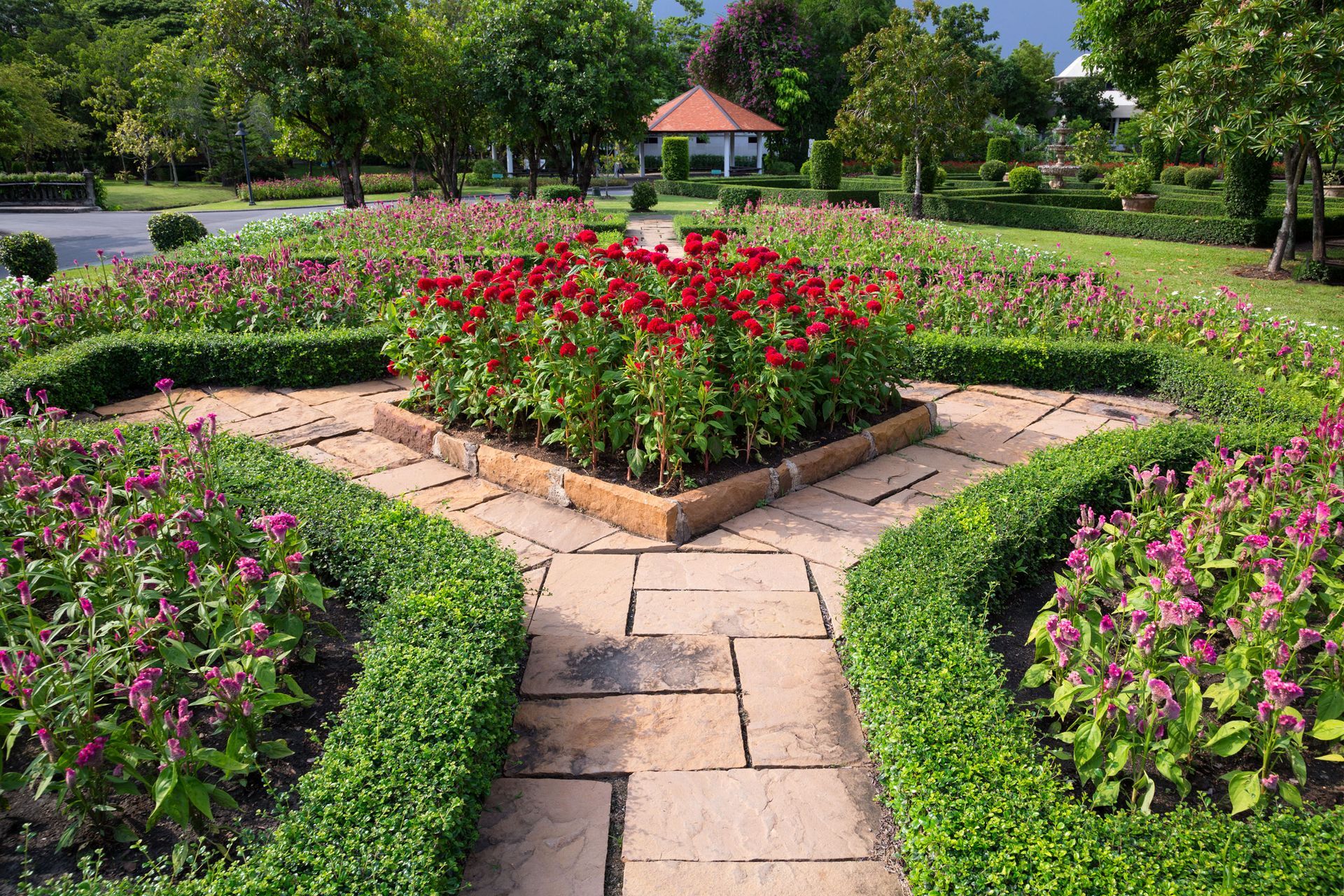
The placement and shape of a walkway can influence how the entire yard feels. Curved or straight paths can create different visual effects, while the materials used can complement other hardscaping features. Coordinating these elements can make the outdoor space feel more connected.
Walkways can also help make frequently used portions of the yard more accessible. Instead of creating informal paths across planted or landscaped areas, a defined walkway can provide a consistent route between important spaces. This can help protect surrounding landscape features while giving the property a more organized layout.
Enhancing Outdoor Privacy
Privacy can make an outdoor area more comfortable for everyday use. Local landscape designers can incorporate plants and other landscape elements to help create separation between different parts of the property. Strategic placement can provide privacy without completely closing off the yard.
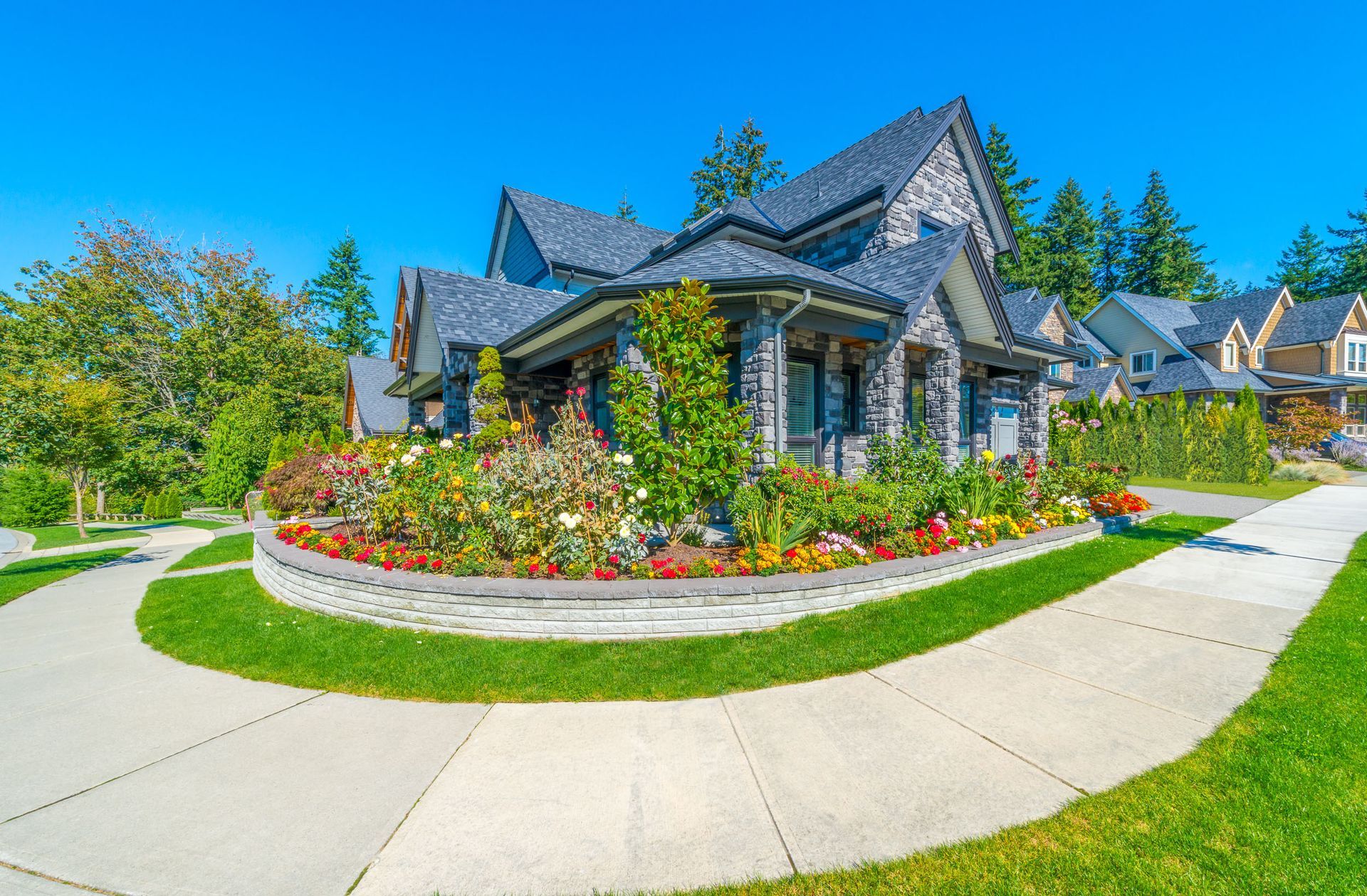
Planting choices can also add texture, color, and visual interest. Trees, shrubs, and other plants can help define boundaries while contributing to the overall appearance of the property. Choosing plants that fit the available space can help maintain a balanced design as they grow.
Privacy features can also be positioned around areas where you spend the most time outdoors. For example, planting arrangements can help create a greater sense of separation around a patio or other designated sitting area. Combining privacy with other landscape features can make these portions of the property feel more comfortable without making them feel enclosed.
Selecting Practical Materials
The materials used throughout an outdoor space should support both appearance and function. Local landscape designers can help select materials that work with the home's existing style and the intended use of each area. Durable materials can also help outdoor features withstand regular use and changing weather conditions.
Coordinating materials can create a more unified appearance throughout the property. For example, similar finishes can connect a patio with nearby walkways or other hardscaping. Thoughtful material selection can help each feature feel like part of the same overall design.
Material choices can also influence how much maintenance different areas require. Considering how a surface will be used, how it fits with surrounding features, and how it will look alongside plants can help create a more practical design. These decisions can be made as part of the larger landscape plan rather than as separate additions.
Creating a Cohesive Design
A cohesive design connects individual landscape elements into one functional outdoor space. Local landscape designers can coordinate plants, hardscaping, pathways, and other features so they work together visually and practically. This can help prevent individual additions from feeling disconnected from the rest of the property.
Consistency in materials, plant placement, and layout can contribute to that cohesive appearance. The goal isn't necessarily to make every area identical but to create relationships between different parts of the yard. A unified design can make the property feel more intentional and easier to enjoy.
Scale is another consideration when bringing landscape features together. Large features can overwhelm a small yard, while undersized elements can feel out of place on a larger property. Balancing the size and placement of different features can help create proportions that work with the property.
Maintaining Your Outdoor Space
Maintenance should also be considered when planning a landscape design. Local landscape designers can help create layouts that account for the ongoing care required by plants, hardscaping, and other outdoor features. Considering maintenance needs from the beginning can help keep the space practical over time.
Plant selection, spacing, and placement can all affect future maintenance. Giving plants enough room to grow can reduce crowding and help preserve the intended appearance of the landscape. A thoughtful design can make regular care more manageable while supporting a healthy outdoor space.
Planning for maintenance can also help preserve the function of outdoor features. Keeping pathways accessible, caring for planted areas, and maintaining hardscaping can help the property continue serving its intended purposes. A design that accounts for long-term care can provide lasting value while keeping the yard enjoyable.
A thoughtful landscape design doesn't require filling every part of the property with features. Leaving appropriate open areas can provide flexibility while giving planted and hardscaped sections room to stand out. Balancing usable features with open space can help the yard feel comfortable rather than crowded.
If you're ready to create a more functional and inviting yard, local landscape designers can help develop a plan around your property's needs and your outdoor goals. Contact 4-Seasons Landscape to discuss your landscape design needs and explore options for improving your outdoor space.