October 8, 2026
Hiring a landscape designer can transform your outdoor space, adding functionality and aesthetic value to your home. Before you begin this journey, it's crucial to have a clear understanding of what you want and what the designer can offer. By asking the right questions, you can ensure your vision is realized efficiently and successfully. From understanding their experience to post-project provisions, it helps to delve deeply into each aspect. Here are several essential questions you should ask your landscape designer to establish a solid foundation for your landscape project.
1. What is Your Experience and Background?
The experience and background of a landscape designer play a significant role in determining the outcome of your project. Reviewing their portfolio offers valuable insights into their style, creativity, and the types of projects they excel in. It's essential to find a designer whose past projects resonate with your vision, as this increases the likelihood of a satisfying final result. By assessing their body of work, you get a glimpse into their expertise and ability to handle various challenges. Additionally, gaining a clear understanding of their past work will help you ascertain their ability to handle your specific project needs.
Aside from the visual proof of their work, their credentials provide another layer of assurance. Certifications, educational background, and memberships in professional organizations can offer insights into their level of knowledge and commitment to their craft. A designer with relevant certifications may have more refined skills, as these often require keeping up with industry standards and continuing education. Furthermore, affiliations with recognized bodies can provide an added level of credibility and guarantee a commitment to delivering professional-quality service. It's beneficial to understand where your designer stands in their professional community, ensuring they meet industry standards.
The scope of a designer's specialization can greatly impact their approach to your project and the results you achieve. Some designers may focus on sustainable landscapes, while others might excel in integrating modern hardscaping elements. Eliminating landscape designers who don't specialize in your desired project style can save time and effort, directing your focus toward suitable candidates. Understanding their specialization allows you to match your project needs with a designer's strengths, thus optimizing the potential for success. Through this approach, you ensure your landscape is crafted with the utmost expertise and creativity tailored to your desire.
2. What is Your Design Process?
The design process is a crucial phase that sets the foundation for a successful landscaping project. It starts with the initial consultation, a meeting designed to establish the objectives, expectations, and vision for the project. During this initial stage, the designer will gain insights into your preferences, lifestyle, and budget considerations. Understanding this process allows you to prepare adequately, ensuring you are aware of the information and decisions needed ahead of time. A clear understanding of the initial consultation helps build a collaborative relationship right from the start, paving the way for a smooth workflow.
Following the initial discussions, the conceptual design phase kicks off, bringing your ideas to life visually. This stage involves the transformation of client inputs and ideas into creative visual concepts that serve as the initial draft for the project. During this phase, the designer should present various design options, detailing the pros and cons to allow informed decision-making. It is crucial to understand how these concepts will evolve, ensuring that they align well with the vision and practical requirements outlined. Getting involved in this phase enables you to make adjustments early if necessary, thus reducing potential discrepancies later.
Feedback is an integral part of landscape design, ensuring the final output reflects the client's desires and functional needs. Your designer should be open to integrating your feedback into the plans, fostering a design that incorporates both professional expertise and personal preferences. This process of feedback integration should be structured, allowing ample opportunity for discussions and adjustments. By understanding how a designer handles feedback, you can better engage in a collaborative effort that enhances the project's success. A fluid adaptation of your ideas into the final design results in a landscaping project that resonates with you on a personal level.
3. How Do You Manage Project Budgets?
Managing a project budget efficiently requires transparent and strategic cost estimation. A professional landscape designer should detail their process for estimating costs and provide various budget options. Discussing these estimates helps to avoid surprises, enabling you to understand the feasibility of your dream landscape within budget constraints. It's advantageous to consider flexible budgeting options that can accommodate unforeseen changes during the project. By having this conversation early, you ensure that both parties have aligned expectations regarding financial planning and resource allocation.
Occasionally, landscapes projects may undergo changes that affect the initial budget, necessitating clear agreements on budget flexibility. The designer's ability to adapt to budget modifications without compromising on quality is essential for overcoming challenges. During discussions, establish how changes will be communicated and approved, ensuring budget overruns are managed effectively. A clear structure for handling changes promotes trust and ensures a collaborative spirit between you and the designer. According to the National Association of Realtors, 58% of homeowners expressed a greater desire to be at home after completing professional lawn care improvements, emphasizing the importance of getting budget planning right.
Understanding payment structures and terms is vital for a smooth financial journey throughout your project. A transparent payment schedule clarifies expectations regarding payment milestones and delivery. By clarifying payment methods and terms as early as possible, both parties can proceed with confidence, ensuring a businesslike approach to financial dealings. It's equally important to discuss contingencies for handling overruns which might occur due to unforeseen circumstances. This comprehensive understanding establishes a healthy financial groundwork, fostering peace of mind and trust throughout the project.
4. What Are the Key Elements of Your Designs?
Your landscape designer's approach to selecting plants is imperative for ensuring a thriving and sustainable garden that enhances aesthetics. A competent designer will consider factors such as the local climate, soil type, and your personal preferences when selecting plant species. By understanding the plant choices and rationale, you can rest assured about the longevity and health of your landscape. This collaborative approach ensures the creation of a garden that not only flourishes but also resonates with your vision. Discussing plant selection offers peace of mind that the garden reflects your desires while thriving under climate conditions.
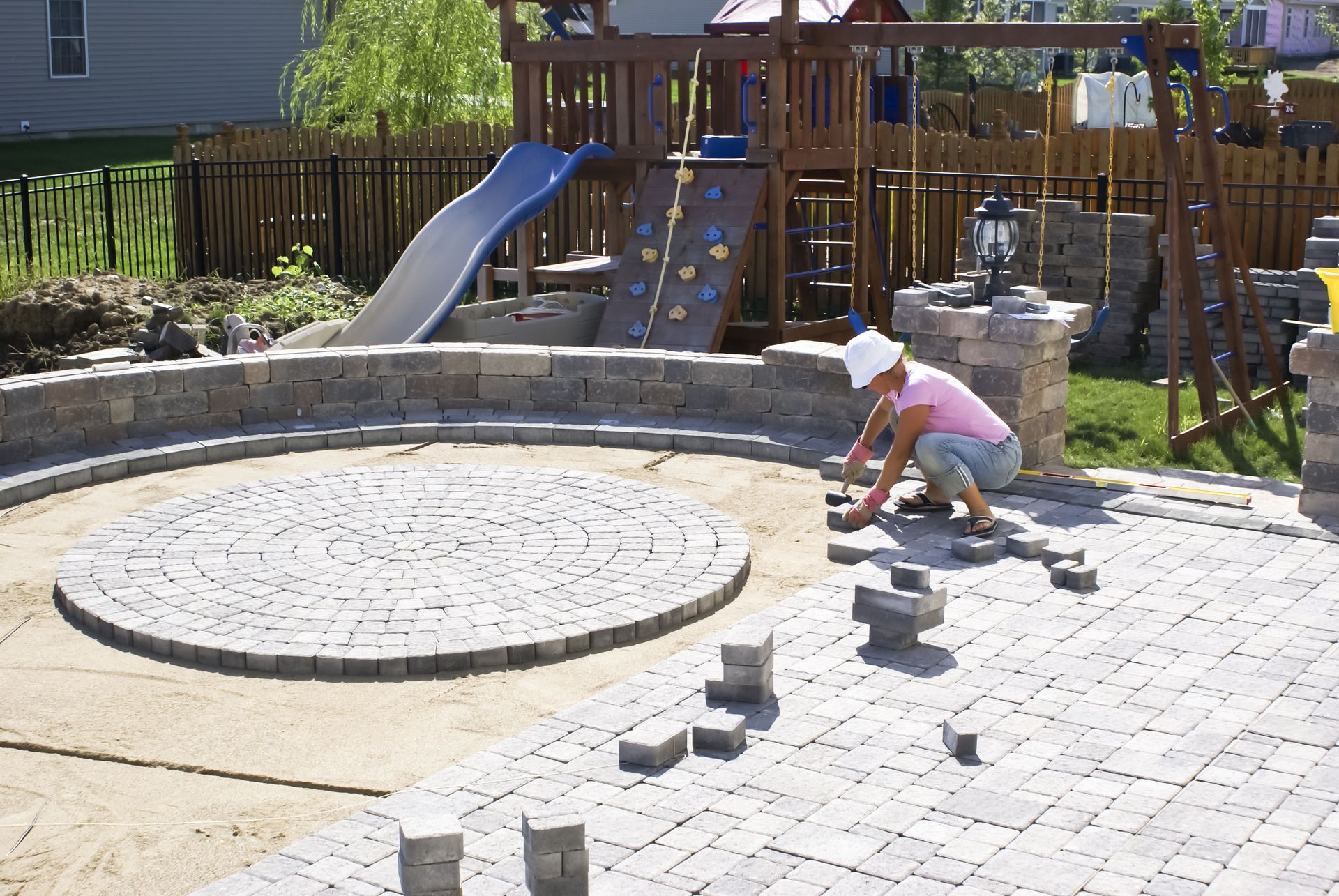
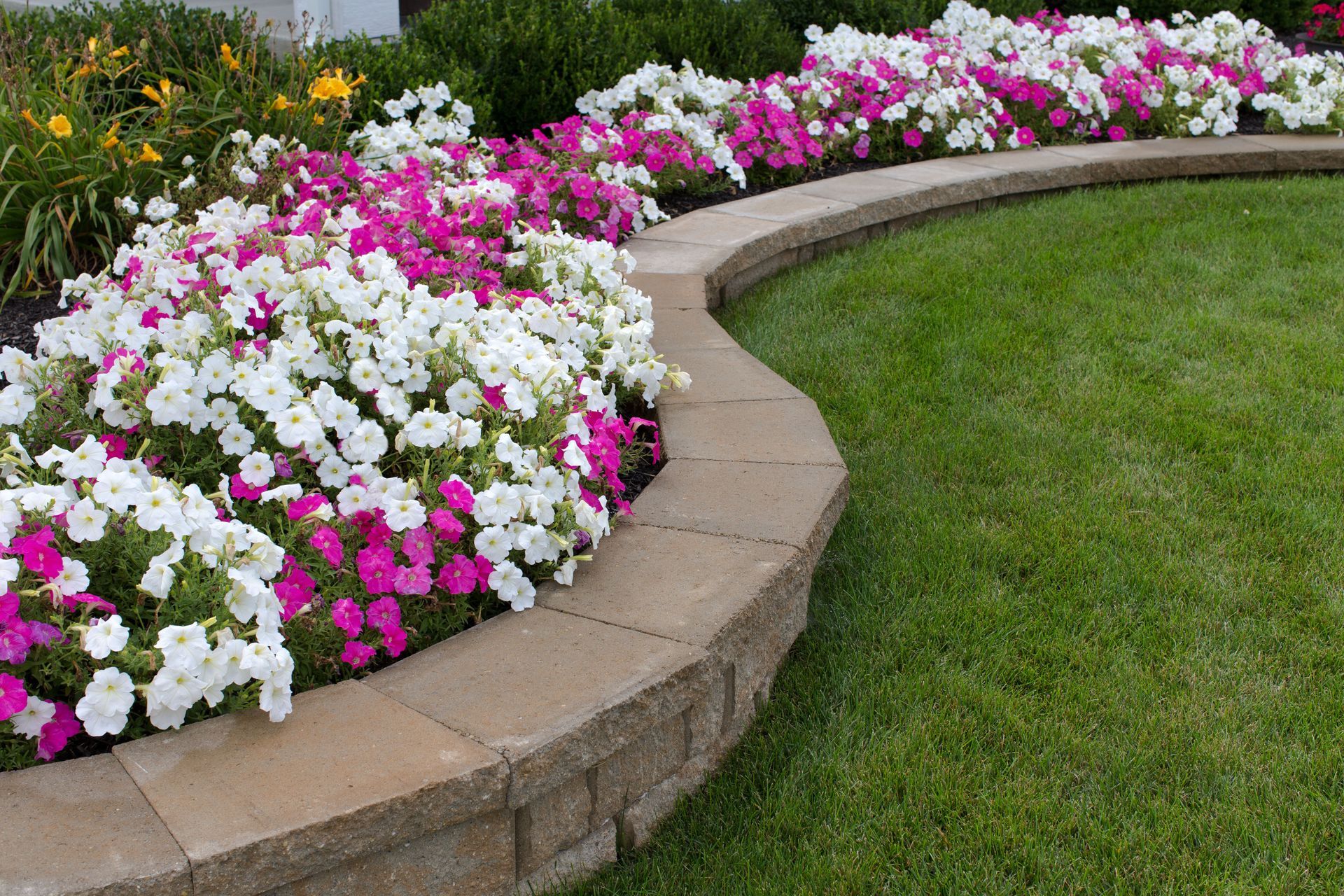
Hardscaping elements such as patios, walkways, and retaining walls play a significant role in shaping your garden's functionality and visual appeal. Your landscape designer must possess the expertise to seamlessly integrate these features into the overarching design, achieving a balanced and harmonious look. Evaluating their past hardscaping projects can provide insights into their style and proficiency in this area. Understanding the design and integration of these features will allow you to tailor the project to your specific needs. A comprehensive understanding of these elements is vital for creating an outdoor space that is functional and visually appealing.
With environmental consciousness on the rise, discussing sustainability practices with your landscape designer is crucial. Implementing eco-friendly practices not only reduces the environmental impact but also adds intrinsic value to your property, ensuring longevity. An experienced designer will be adept at recommending sustainable materials and practices that align with your ecological values. By integrating sustainability into your design, you create an outdoor space that is beautiful and environmentally responsible. Engaging in these discussions assures you of a final design that supports long-term sustainability essentials.
Choosing the right landscape designer involves asking the right questions to ensure your vision comes to life within your budget and timeline. By exploring these essential questions, you lay a solid groundwork for a successful collaboration and a beautiful outdoor space that enhances your home for years to come. If you're looking for a
landscape designer who will foster a collaborative atmosphere that enhances creativity, functionality, and satisfaction, reach out to 4-Seasons Landscape today!