October 21, 2026
Creating an outdoor space that aligns with your personal lifestyle needs and aesthetic preferences is essential for maximizing your home's functionality and curb appeal. Whether you envision a serene garden retreat, a low-maintenance sanctuary, or an energetic entertainment hub, the master plan should reflect your unique taste and daily habits. A professional landscape designer plays a crucial role in transforming your abstract ideas into a cohesive, structurally sound reality. By evaluating site conditions, regional climate factors, and property layout, a designer ensures that every hardscape feature, drainage system, and plant selection works together seamlessly to enhance both beauty and practical usability.
Conducting Detailed Site Assessments and Environmental Analyses
Collaborating with a professional landscape designer transforms abstract backyard ideas into a cohesive, structurally sound outdoor living environment. The initial design process begins with a comprehensive site assessment that analyzes topography, sunlight patterns, soil composition, and regional microclimates. Evaluating existing vegetation and framing desirable views enables designers to create functional layouts that maximize visual appeal. Your home's landscape can be about 15% of the value of your home, according to Total Mortgage, making a thorough initial site analysis an essential investment strategy.
Analyzing local weather patterns and soil characteristics ensures that every structural element and plant selection withstands regional climate conditions. Testing soil pH and nutrient levels provides critical data needed to select compatible plant species and determine necessary organic amendments. Evaluating water drainage paths across sloped surfaces prevents erosion, standing water accumulation, and foundation damage. Partnering with a skilled landscape designer guarantees that hardscape installations incorporate proper French drains, swales, or permeable paving systems to manage stormwater runoff effectively.
Preserving natural site features—such as mature shade trees, native rock formations, or natural slopes—adds instant character and reduces overall construction costs. A professional site assessment identifies how to integrate these existing elements into the master plan seamlessly. Integrating existing contours minimizes expensive earthmoving while creating a harmonious transition between built amenities and the surrounding natural environment.
Selecting Regionally Adapted Plants and Functional Flora
Selecting the right plant palette is vital for establishing a vibrant, resilient garden that thrives across changing seasons. Incorporating native trees, shrubs, and perennials reduces long-term maintenance because these species naturally resist local pests and climate extremes. Working alongside a knowledgeable landscape designer allows homeowners to select native foliage that delivers rich seasonal colors, textures, and blooms while supporting local pollinators and beneficial wildlife.
Integrating low-maintenance, water-wise plants—such as drought-tolerant succulents, ornamental grasses, and ground covers—drastically reduces municipal water consumption and weekly yard care. Utilizing organic mulches and drip irrigation networks optimizes root moisture retention and prevents weed growth. Designing tiered flower beds that combine evergreen backdrop shrubs with seasonal perennials ensures that your garden maintains visual structure and color throughout the entire year.
Incorporate edible plants and herb gardens to blend practical utility with ornamental garden design. Raised garden beds, espaliered fruit trees, and aromatic herb borders add sensory delight and yield fresh produce for household cooking. A landscape designer can seamlessly integrate edible gardening zones alongside traditional flower beds, maintaining an elegant, cohesive aesthetic across the entire property.
Incorporating Hardscapes and Outdoor Living Features
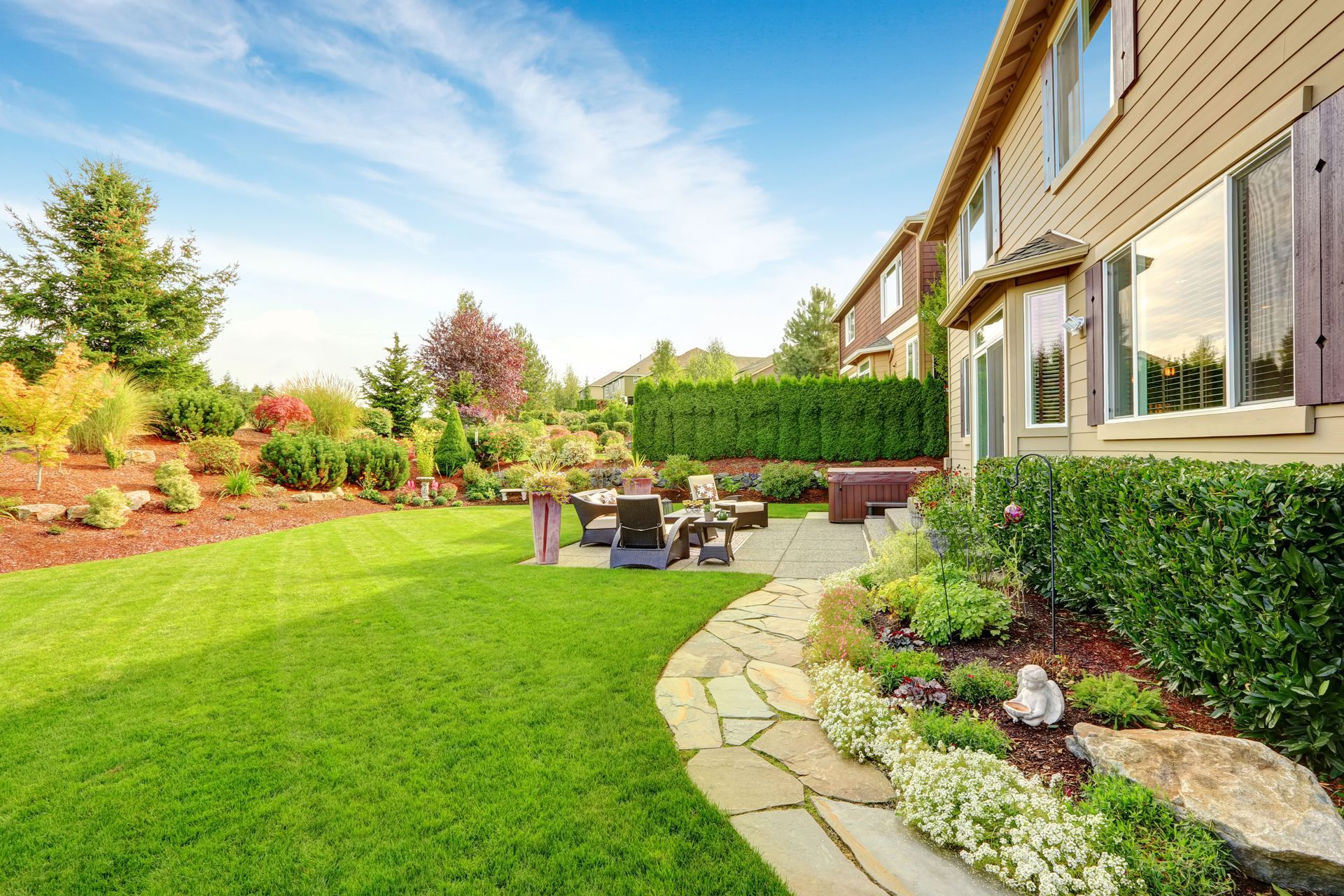
Hardscaping elements form the structural foundation of a modern outdoor living area, defining distinct zones for relaxation, dining, and recreation. Custom stone patios, timber decks, and paved walkways expand your home's usable square footage and create smooth transitions between indoor and outdoor spaces. Selecting weather-resistant materials—such as natural flagstone, interlocking concrete pavers, or composite decking—guarantees that hardscape features remain attractive and structurally sound for decades.
Sloped yards benefit significantly from terraced retaining walls and integrated masonry steps that convert unusable steep inclines into flat, functional garden beds or outdoor seating areas. Retaining walls manage soil erosion while adding visual depth and architectural interest to the backyard. Incorporating built-in stone benches or planter boxes directly into retaining wall structures maximizes seating capacity without cluttering the patio footprint.
Designing custom outdoor kitchens, stone fire pits, covered pergolas, and outdoor fireplaces transforms an ordinary backyard into an all-season entertainment venue. Outdoor kitchens equipped with built-in grills, granite countertops, prep sinks, and refrigeration allow homeowners to cook and entertain seamlessly outdoors. Consulting a certified landscape designer guarantees that outdoor living features adhere to local building codes, utility connections, and safety setbacks.
Installing Custom Water Features and Efficient Irrigation
Integrating custom water features introduces a tranquil, sensory element that masks urban noise pollution and elevates outdoor relaxation. Cascading stone waterfalls, backyard ponds, architectural fountains, and stream beds serve as striking visual focal points within the garden. Proper installation requires specialized knowledge of water filtration systems, liner placements, and energy-efficient pumps to maintain clear water and hassle-free operation.
Automated smart irrigation systems are essential for maintaining vibrant softscapes while conserving precious water resources. Modern smart controllers analyze local weather forecasts, rain sensor data, and soil moisture levels to deliver precise hydration to specific planting zones. Installing subterranean drip lines in flower beds eliminates evaporation loss and prevents fungal diseases caused by over-watering foliage directly.
Combining custom water features with sustainable rainwater harvesting networks maximizes resource efficiency. Rain gardens and dry creek beds capture storm runoff, filtering water back into the local subterranean groundwater table naturally. Collaborating with an experienced landscape designer ensures that all irrigation and drainage systems function as a cohesive, eco-friendly system that nourishes your plant investment.
Enhancing Ambiance with Architectural Outdoor Lighting
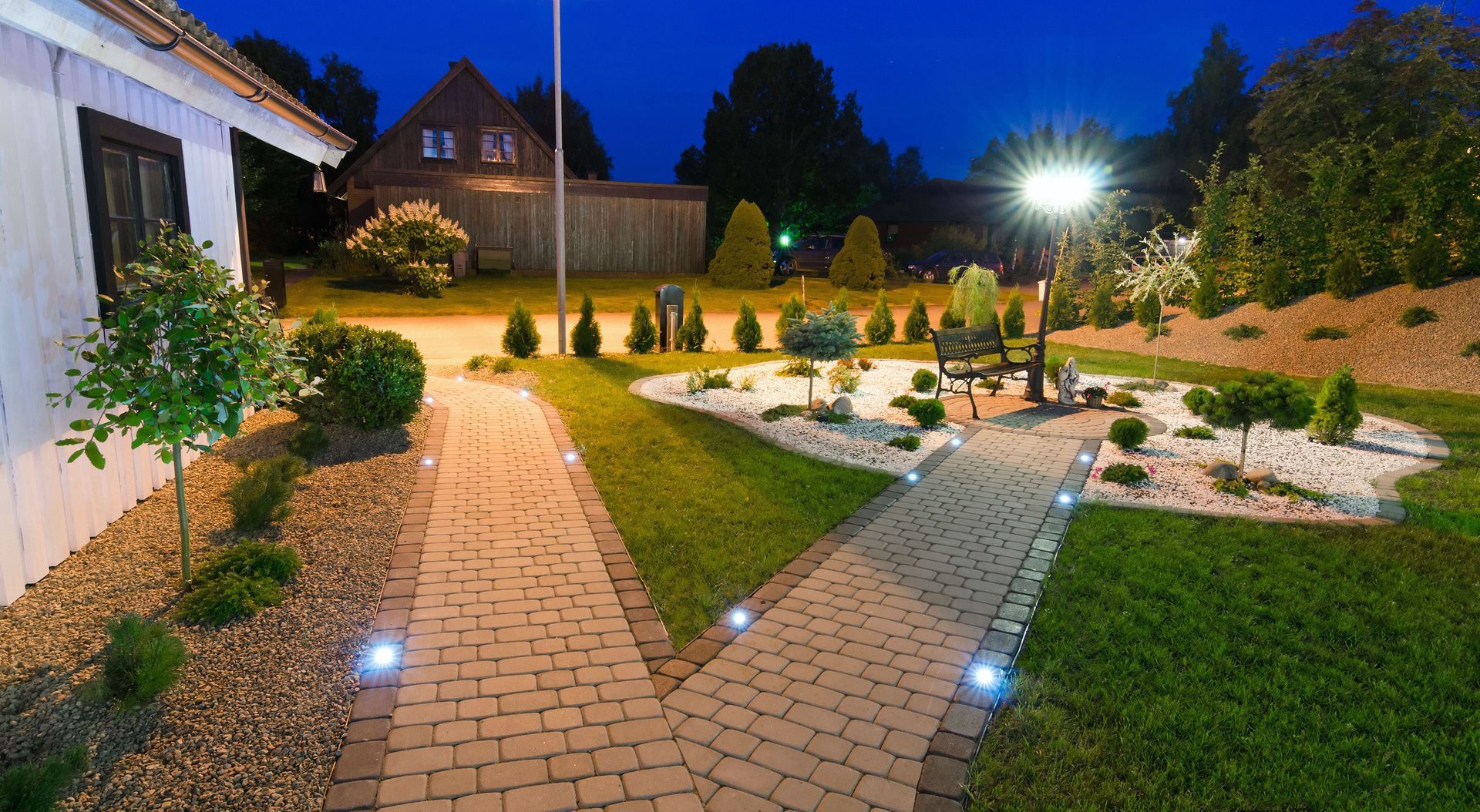
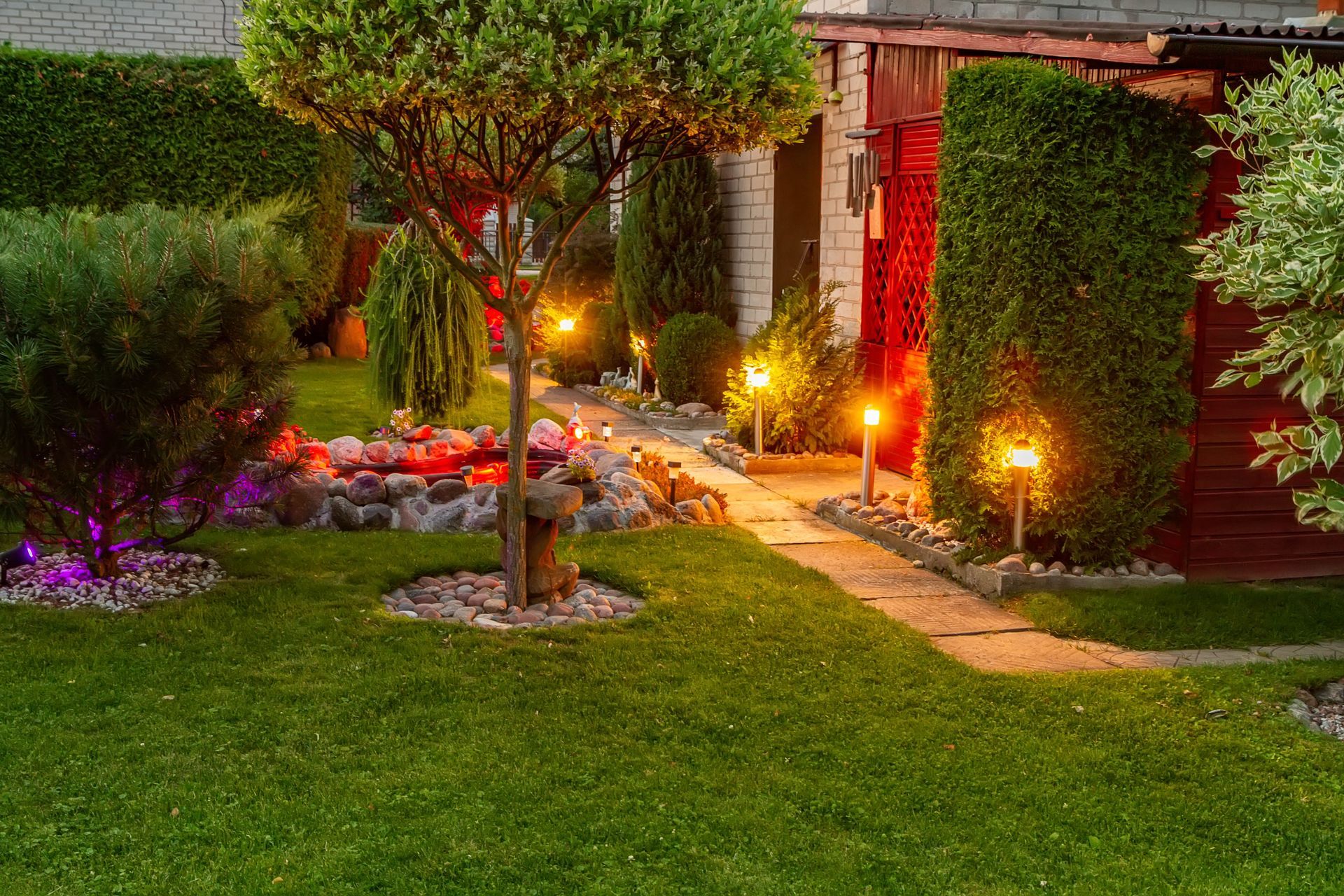
A custom outdoor lighting design extends the usability of your landscape into the evening hours while enhancing home security and pathway safety. Low-voltage LED fixtures installed along garden paths, stone steps, and driveway perimeters illuminate elevation changes, guiding family and guests safely across the property after dark. Properly placed pathway lights eliminate dark blind spots around entryways and side yards.
Architectural uplighting and tree canopy downlighting highlight your property's finest features, casting dramatic illumination on mature trees, stone pillars, and water features. Subtle shadow techniques and silhouette lighting add visual depth and elegance to the nighttime landscape. Modern smart lighting systems allow homeowners to control brightness levels, color temperatures, and automated schedules directly from smartphone applications.
Installing motion-activated security lights near property borders deters potential intruders while preserving ambient mood lighting in main entertainment zones. Choosing energy-efficient LED fixtures and solar accents reduces electricity consumption while providing dependable, long-lasting performance. An expert landscape designer balances security needs with aesthetic accent lighting to create an inviting evening atmosphere.
Prioritizing Sustainability and Eco-Friendly Enhancements
Sustainable landscape design principles harmonize property aesthetics with environmental stewardship. Utilizing locally sourced materials, reclaimed timber, and permeable paving surfaces reduces the carbon footprint associated with transport and manufacturing. Permeable pavers allow rainwater to soak directly into the underlying soil, reducing municipal storm drain overflow and surface water pollution.
Designing native pollinator gardens and wildlife-friendly habitats encourages biodiversity within suburban neighborhoods. Selecting nectar-rich flowering plants, installing bird baths, and preserving natural shelter zones supports local songbirds, butterflies, and honeybees. Embracing organic soil management practices eliminates synthetic chemical fertilizers, protecting groundwater supplies and fostering healthy soil ecosystems.
Integrating shade trees along southern and western exposures reduces summer home cooling costs naturally. Dense evergreen windbreaks planted along northern boundaries block cold winter winds, lowering household heating demands during colder months. Incorporating sustainable solutions during the initial design phase creates an eco-friendly outdoor space that minimizes long-term utility expenses and ongoing maintenance costs.
Partnering with a professional landscape designer is the most effective way to turn your backyard vision into a high-value, highly functional outdoor retreat. From site analysis, drainage planning, and native plant selection to hardscape construction, automated irrigation, custom lighting, and sustainable design, expert designers guide every phase of the outdoor transformation. Investing in high-quality landscaping creates an enduring, multi-seasonal sanctuary that elevates your daily lifestyle, protects your financial investment, and delivers exceptional curb appeal for decades to come. To begin designing a custom outdoor living area tailored to your lifestyle, contact 4-Seasons Landscape today to schedule your private design consultation.