October 30, 2026
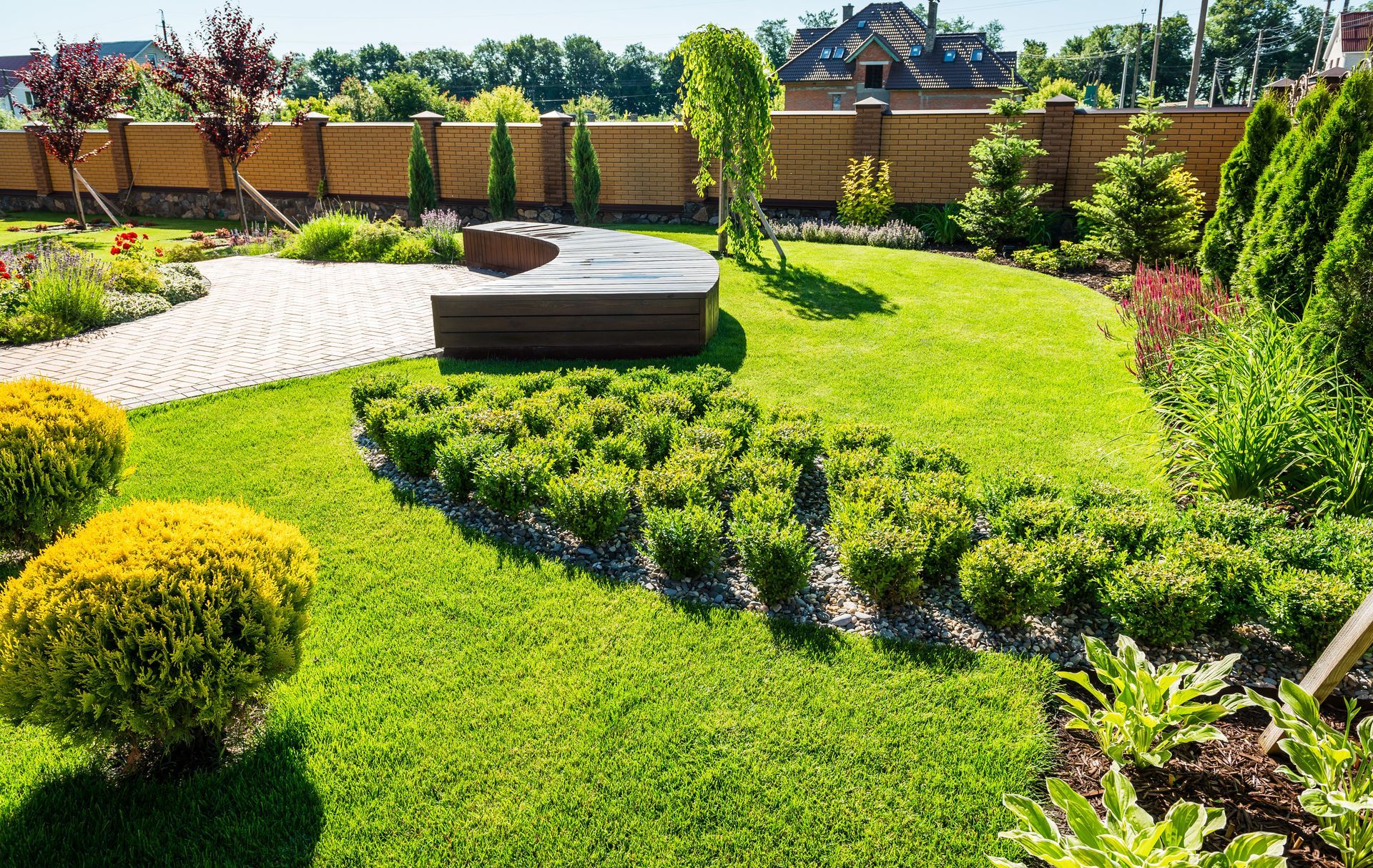
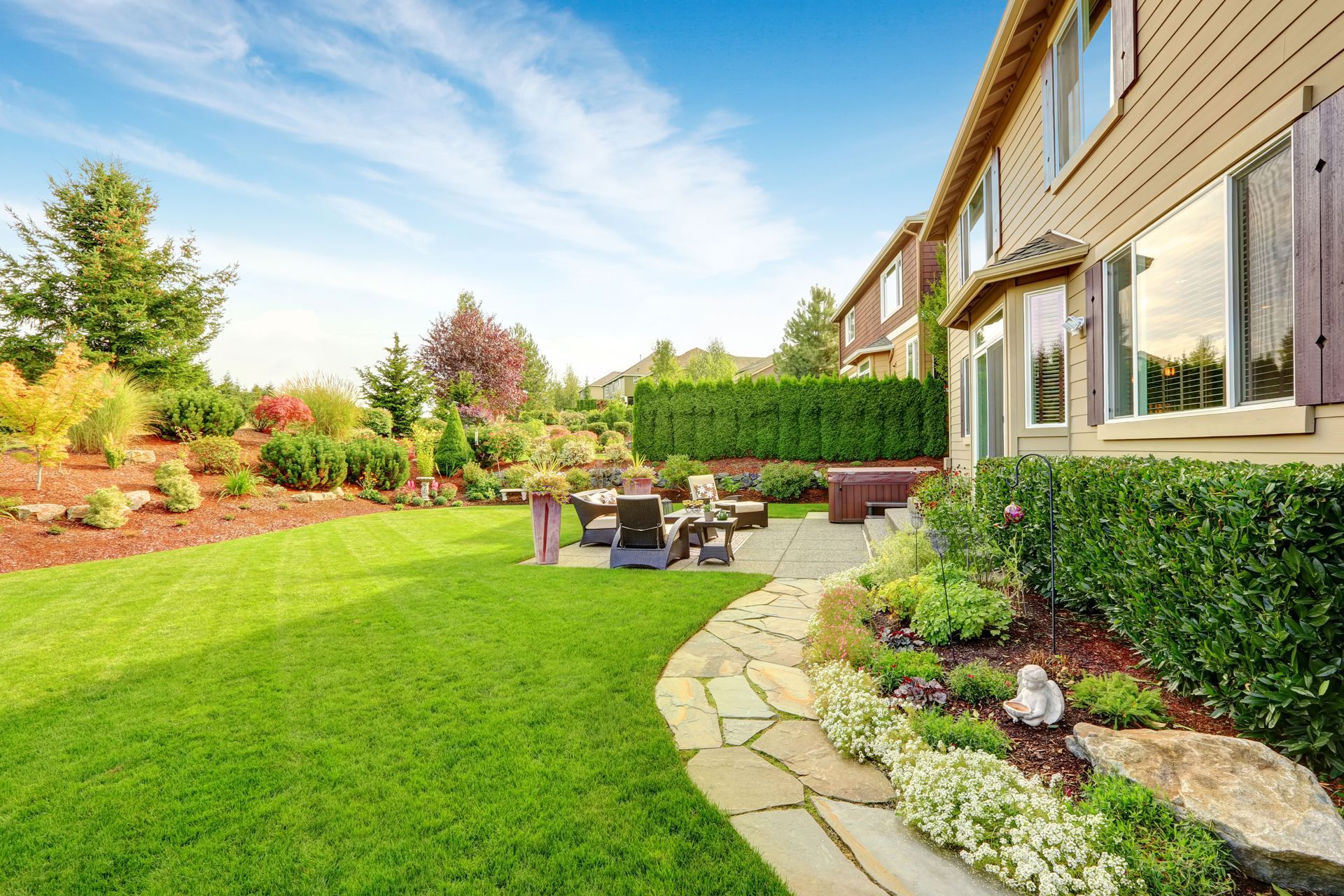
A well-designed yard can become an inviting extension of your home, providing space for relaxation, entertainment, and time outdoors. Thoughtful planning helps balance visual appeal with practical needs, creating an environment that suits your lifestyle while complementing your property's architecture. Working with a professional landscape designer makes it easier to develop a cohesive outdoor space that reflects your preferences and uses the available land effectively.
Evaluating Your Yard and Establishing Goals
Every successful landscape project begins with understanding the property's existing conditions. Yard size, sunlight exposure, soil quality, drainage, and natural slopes influence which plants and outdoor features will work best. A professional landscape designer evaluates these factors to identify opportunities and potential challenges before the design takes shape.
Defining your goals also helps establish the project's direction. Some homeowners want colorful gardens and peaceful seating areas, while others prioritize patios, entertaining spaces, or family-friendly lawns. Sharing your preferences, budget, and long-term plans allows your designer to develop a layout that balances appearance, comfort, and functionality.
Privacy and accessibility are also worth considering during the planning process. Strategically placed trees, shrubs, and decorative screens can create separation from neighboring properties without making the yard feel enclosed. Wider pathways, stable walking surfaces, and comfortable seating arrangements can make outdoor areas more accessible to people with different mobility needs.
Establishing a Budget for Outdoor Improvements
Setting a realistic budget helps determine which features can be incorporated into the project. Expenses may include planting beds, trees, pathways, patios, outdoor lighting, irrigation systems, and structural features. A landscape designer can help prioritize these elements and organize the project into manageable phases when necessary.
Outdoor improvements can also contribute to property value. According to The Plan Collection, a homeowner installing a porch, deck, or patio can anticipate approximately 80% return on investment. While actual returns depend on the property, location, and quality of the improvements, well-planned outdoor living areas can make a home more appealing to prospective buyers.
It is also helpful to consider long-term expenses when comparing design options. Some materials require more frequent upkeep, while certain plant varieties need additional watering or seasonal care. Discussing these differences with your designer can help you choose features that fit both your initial budget and your expectations for future maintenance.
Selecting a Landscape Designer
Choosing the right professional involves reviewing experience, design portfolios, qualifications, and customer feedback. Looking at completed projects can help homeowners understand a designer's approach to plant selection, outdoor layouts, lighting, and hardscaping. A landscape designer with experience in the local area may also understand regional growing conditions and seasonal challenges.
Communication is equally important when selecting a professional. Discussing project expectations, preferred styles, timelines, and budget limitations helps establish a productive working relationship. Reviewing references and written estimates can provide additional clarity about the designer's process and the services included.
Homeowners should also ask how changes to the original plan will be handled. Understanding the approval process for material substitutions, design adjustments, and unexpected expenses can prevent confusion during installation. Establishing these expectations early makes it easier for everyone involved to stay informed and work toward the same outcome.
Developing a Personalized Landscape Plan
A detailed design plan connects the homeowner's goals with the property's physical characteristics. Measurements, site assessments, and layout concepts help determine where planting beds, walkways, seating areas, and other features should be positioned. A landscape designer may use drawings or digital renderings to illustrate how the proposed elements will work together.
Plant and material selection also shapes the character of the finished space. Native plants and varieties suited to the local climate can support healthier growth while reducing long-term maintenance demands. Durable paving materials, complementary textures, and coordinated colors help create a consistent appearance throughout the yard.
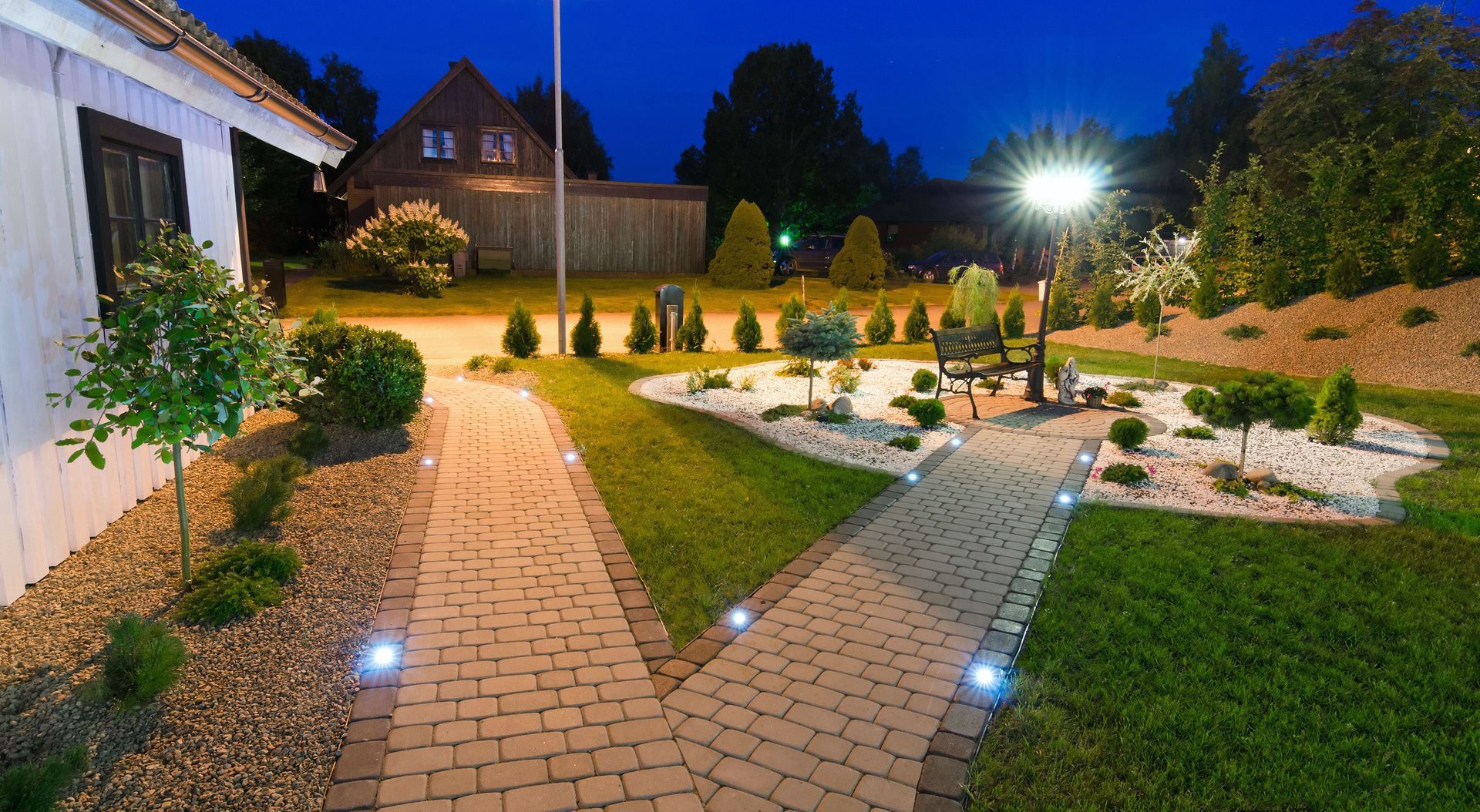
Outdoor lighting and water features can add another layer of interest. Carefully positioned lighting improves visibility and highlights architectural details, trees, and pathways. Fountains or other water elements can introduce a relaxing atmosphere when they fit the property's layout and maintenance requirements.
The arrangement of these features should also support how people move through the space. Clearly defined pathways can connect entrances, patios, gardens, and other gathering areas without creating unnecessary obstacles. A landscape designer can balance open areas with smaller, more private spaces so the yard feels organized while still offering different ways to enjoy the outdoors.
Incorporating Sustainable Landscaping Features
Sustainable landscaping considers how outdoor spaces use water, support local ecosystems, and respond to environmental conditions. Selecting regionally appropriate plants can reduce the need for excessive irrigation and help gardens remain resilient during seasonal changes. A landscape designer can recommend plant combinations that provide visual variety while supporting the surrounding environment.
Water management is another important consideration. Efficient irrigation systems, appropriate drainage, and carefully selected planting areas help direct water where it is needed. These features can reduce waste, protect plants, and limit problems caused by standing water or runoff.
Material selection can support sustainability as well. Locally sourced stone, recycled paving products, and durable materials may reduce transportation demands or extend the useful life of outdoor features. Combining these choices with energy-efficient lighting helps create a landscape that balances environmental considerations with everyday usability.
Shade is another valuable feature in a sustainable outdoor design. Properly positioned trees can provide relief from direct sunlight, making patios and seating areas more comfortable during warmer months. Their placement should account for mature size, root growth, and proximity to buildings so they complement the property as they develop.
Coordinating Landscape Installation
Once the design is finalized, installation requires coordination among the professionals responsible for preparing the site, placing plants, and constructing outdoor features. Scheduling these activities in the correct order helps prevent conflicts between landscaping, drainage work, paving, and lighting installation. A landscape designer can help coordinate the project so that individual elements follow the overall plan.
Site conditions may require adjustments during construction. Weather, soil characteristics, drainage concerns, and material availability can affect the schedule or require changes to the original layout. Regular communication between the homeowner and project team helps resolve these issues while keeping the project's goals and budget in view.
Quality checks are important throughout installation. Reviewing materials, placement, grading, and finished surfaces helps confirm that the completed work matches the agreed-upon design. Careful coordination supports a cohesive result and reduces the likelihood of avoidable problems after the project is finished.
Maintaining a Beautiful Outdoor Space
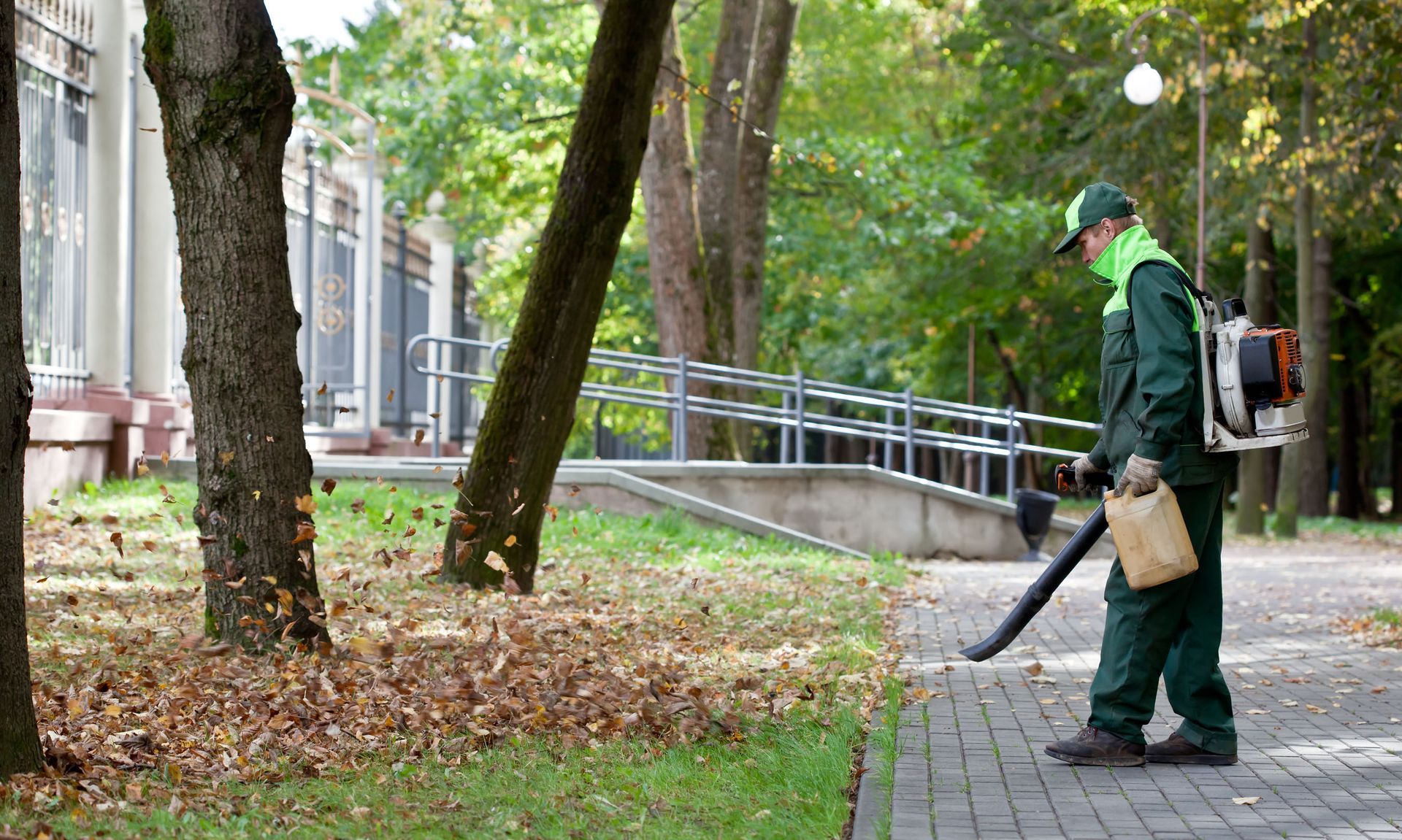
Regular maintenance helps preserve the appearance and health of a completed landscape. Watering, pruning, seasonal planting, and lawn care should reflect the needs of the selected plants and local climate. A landscape designer can provide guidance on appropriate care schedules and identify features that may require additional attention throughout the year.
Seasonal changes can also influence the landscape's appearance and performance. Adjusting irrigation schedules, replenishing mulch, and monitoring plant health help outdoor spaces remain attractive as temperatures and weather conditions change. Choosing plants suited to local conditions from the beginning can make ongoing maintenance more manageable.
Over time, homeowners may want to update certain areas as their needs evolve. Additional seating, new planting arrangements, or improvements to outdoor lighting can refresh the space without requiring a complete redesign. Periodic reviews with a landscape designer help ensure the yard continues to support changing preferences and remains functional.
Transforming your yard into a comfortable outdoor retreat begins with a clear vision and thoughtful professional planning. From evaluating the property and selecting suitable plants to coordinating installation and maintaining the finished landscape, each stage contributes to a space that reflects your lifestyle. A carefully designed yard can enhance everyday enjoyment while creating a welcoming setting for gatherings and relaxation.
If you are ready to improve your outdoor space, contact 4-Seasons Landscape to discuss your goals and explore the possibilities for your property. Working with an experienced landscape designer can help you develop a personalized plan that balances beauty, functionality, and long-term value. With the right design and professional guidance, your yard can become an inviting extension of your home.