November 9, 2026
A well-designed outdoor living space provides a comfortable place to relax, entertain guests, and enjoy the surrounding landscape. However, creating a functional and attractive patio requires more than choosing a design. Selecting the right materials determines its durability, maintenance needs, appearance, and long-term value. Homeowners should consider factors such as intended use, local climate, available space, and budget before beginning construction. Understanding the advantages of different materials can help create an outdoor space that complements the home and lifestyle.
Understanding Your Outdoor Living Needs
Defining the Primary Purpose
The intended use of a patio should guide material selection. Spaces designed for dining and entertaining benefit from durable, easy-to-clean surfaces that accommodate furniture and frequent gatherings. Areas intended for relaxation may place greater emphasis on comfort and appearance. Defining these priorities early helps ensure the finished space supports everyday activities.
Considering Usage and Available Space
High-traffic areas require materials that withstand regular use without deteriorating quickly. Concrete and natural stone are popular choices because of their strength and resilience. Smaller outdoor spaces may benefit from consistent materials that create a more open appearance, while larger patio areas can incorporate multiple surfaces to distinguish dining and entertainment zones.
Accounting for Local Climate
Weather conditions influence how outdoor materials perform. In colder regions, surfaces should withstand freeze-thaw cycles without developing extensive cracks. In warmer climates, materials that resist fading and excessive heat absorption may be more appropriate. Choosing materials suited to local conditions can reduce maintenance demands and extend the life of the installation.
Establishing a Realistic Budget
Material costs vary considerably, making it important to establish a realistic budget before construction begins. Natural stone offers durability and visual appeal but typically requires a larger initial investment. Concrete provides a more affordable alternative with considerable design flexibility. Homeowners should also account for installation, maintenance, and potential repair expenses. According to The Plan Collection, a homeowner installing a porch, deck, or patio can anticipate approximately 80% return on investment. This potential return makes thoughtful material selection an important part of improving outdoor living spaces.
Comparing Popular Material Options
Natural Stone for Timeless Appeal
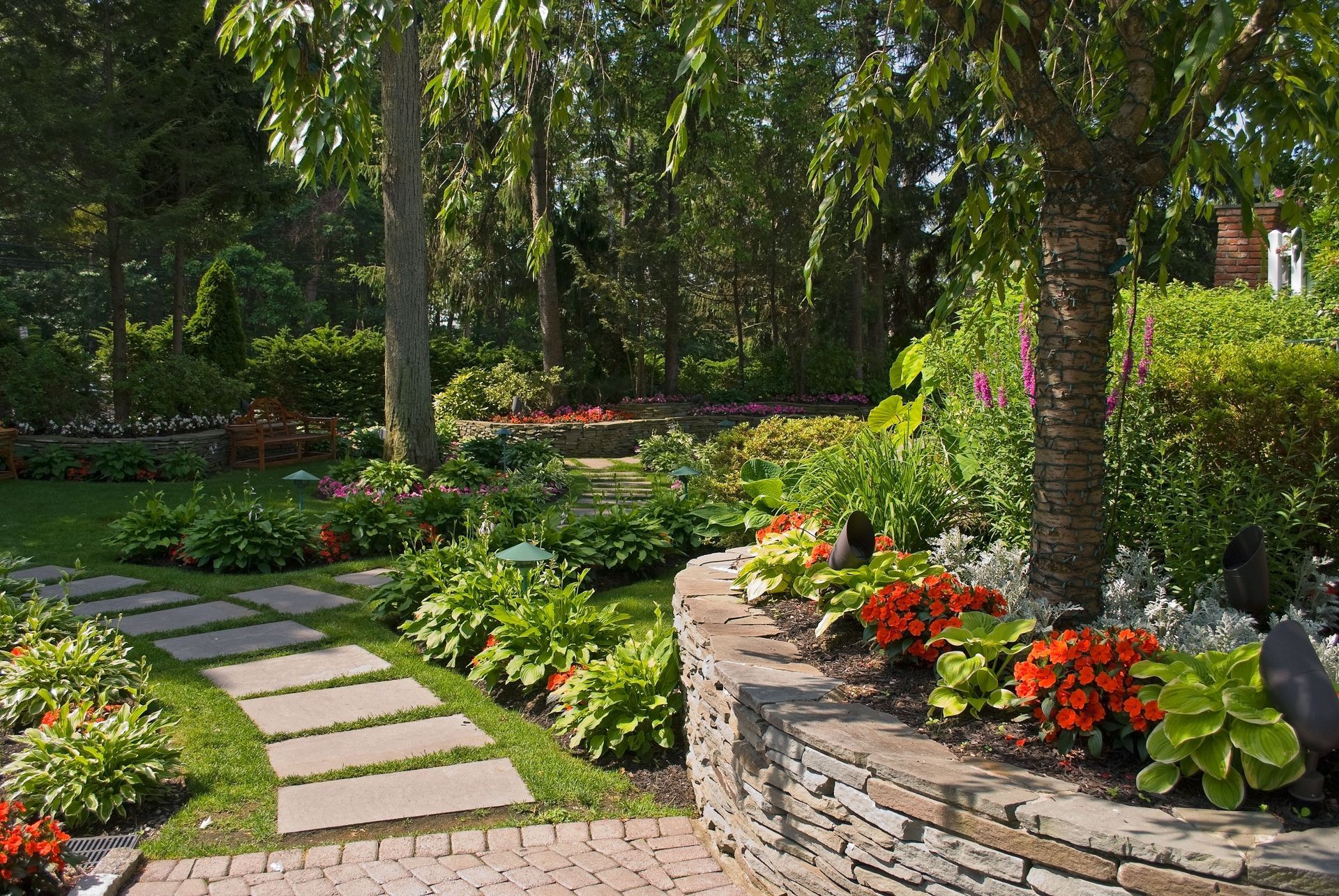
Natural stone remains popular because of its distinctive appearance and long-lasting performance. Flagstone, slate, and limestone offer different colors and textures that complement traditional and contemporary properties. Although natural stone typically costs more than manufactured alternatives, its durability can make it a worthwhile investment. Proper installation and occasional maintenance help preserve its appearance for many years.
Concrete for Affordability and Versatility
Concrete provides an economical option for homeowners seeking durability without the expense of natural stone. Its versatility allows contractors to create different finishes, colors, and decorative patterns. Stamped or stained concrete can also replicate the appearance of more expensive materials. However, concrete may develop cracks due to ground movement or temperature fluctuations. Proper preparation and sealing help reduce these risks.
Wood for Natural Warmth
Wood creates a welcoming appearance that works well with many architectural styles. Cedar, redwood, and pressure-treated pine are common choices, each offering different levels of durability and affordability. However, wood requires regular staining or sealing to protect it from moisture, insects, and weather-related deterioration. Homeowners should consider whether they are comfortable with the ongoing maintenance involved.
Composite Materials for Lower Maintenance
Composite materials combine wood fibers and plastics to create surfaces that offer the appearance of wood with less maintenance. They are generally designed to resist moisture, fading, and wear. Available in numerous colors and finishes, composites provide flexibility for homeowners seeking a contemporary appearance. Although the initial cost may exceed traditional wood, reduced maintenance requirements can make these materials appealing over time.
Tile for Design Flexibility
Outdoor tile offers extensive customization through different patterns, colors, and finishes. Porcelain tile is particularly popular because of its durability and resistance to moisture and staining. Textured surfaces can provide better traction in wet conditions. Homeowners should select products specifically designed for outdoor installation because indoor tiles may not withstand temperature changes and exposure to the elements.
Evaluating Durability and Maintenance Requirements
Comparing Material Lifespans
Different materials have different life expectancies, making longevity an important consideration. Natural stone and properly installed concrete can last for decades with appropriate care. Wood generally requires more frequent attention, while composite materials offer an alternative with fewer maintenance demands. Investing in durable products can help reduce premature replacement and keep a patio looking attractive longer.
Assessing Weather Resistance
Outdoor surfaces must withstand sunlight, rain, snow, and changing temperatures. Materials that absorb excessive moisture may become vulnerable to cracking, warping, or mold growth. Similarly, prolonged ultraviolet exposure can cause certain surfaces to fade. Considering local environmental conditions helps homeowners avoid materials that may struggle in their climate.
Planning for Routine Maintenance
Maintenance requirements should be evaluated alongside initial material costs. Natural stone may need periodic sealing, while concrete benefits from occasional cleaning and resealing. Composite surfaces and porcelain tiles generally require less intensive care. Homeowners should consider how much time and money they are willing to dedicate to upkeep before making their selection.
Creating a Cohesive Outdoor Design
Complementing Your Home's Architecture
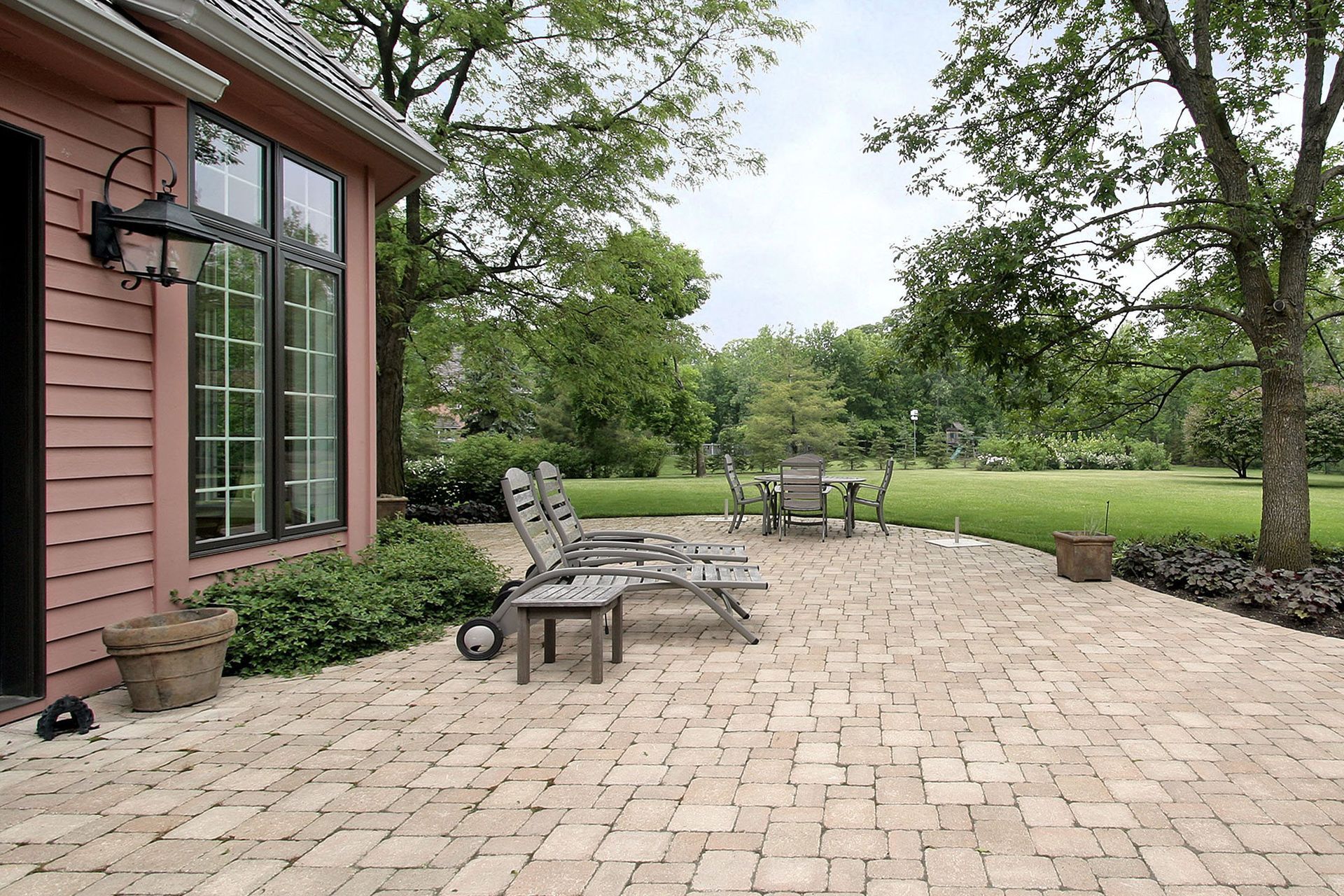
Outdoor surfaces should complement the architectural features of the home. Natural stone can enhance rustic or traditional properties, while smooth concrete and modern tile may suit contemporary designs. Coordinating colors and materials with existing exterior features creates a natural transition between indoor and outdoor spaces.
Coordinating Colors and Textures
Color and texture influence the atmosphere of an outdoor environment. Neutral tones create a timeless appearance, while contrasting shades introduce visual interest. Textured stone and patterned concrete can add dimension without requiring elaborate decorative features. Homeowners should consider how their selections will look alongside existing landscaping, exterior finishes, and outdoor furniture.
Integrating Landscaping Features
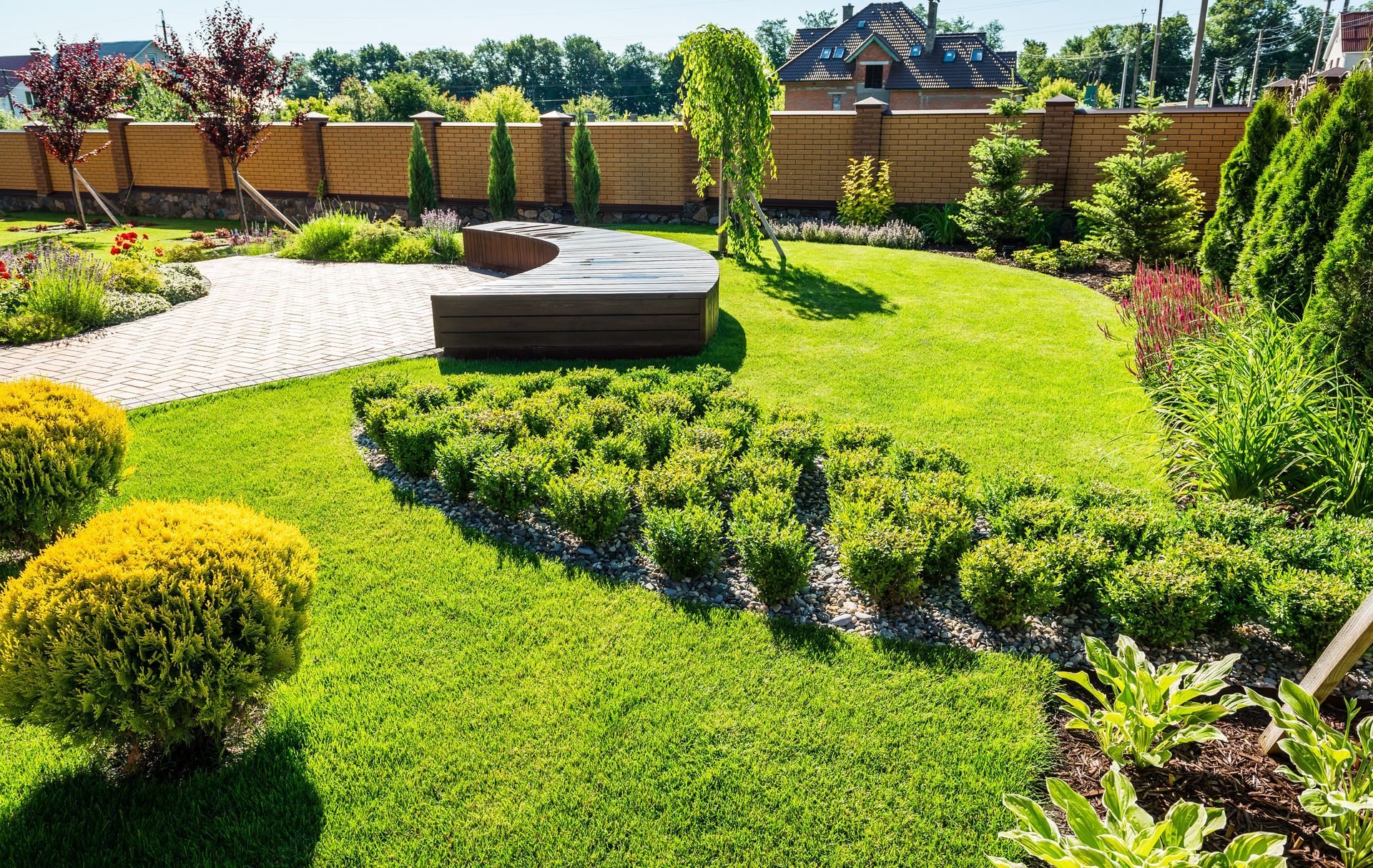
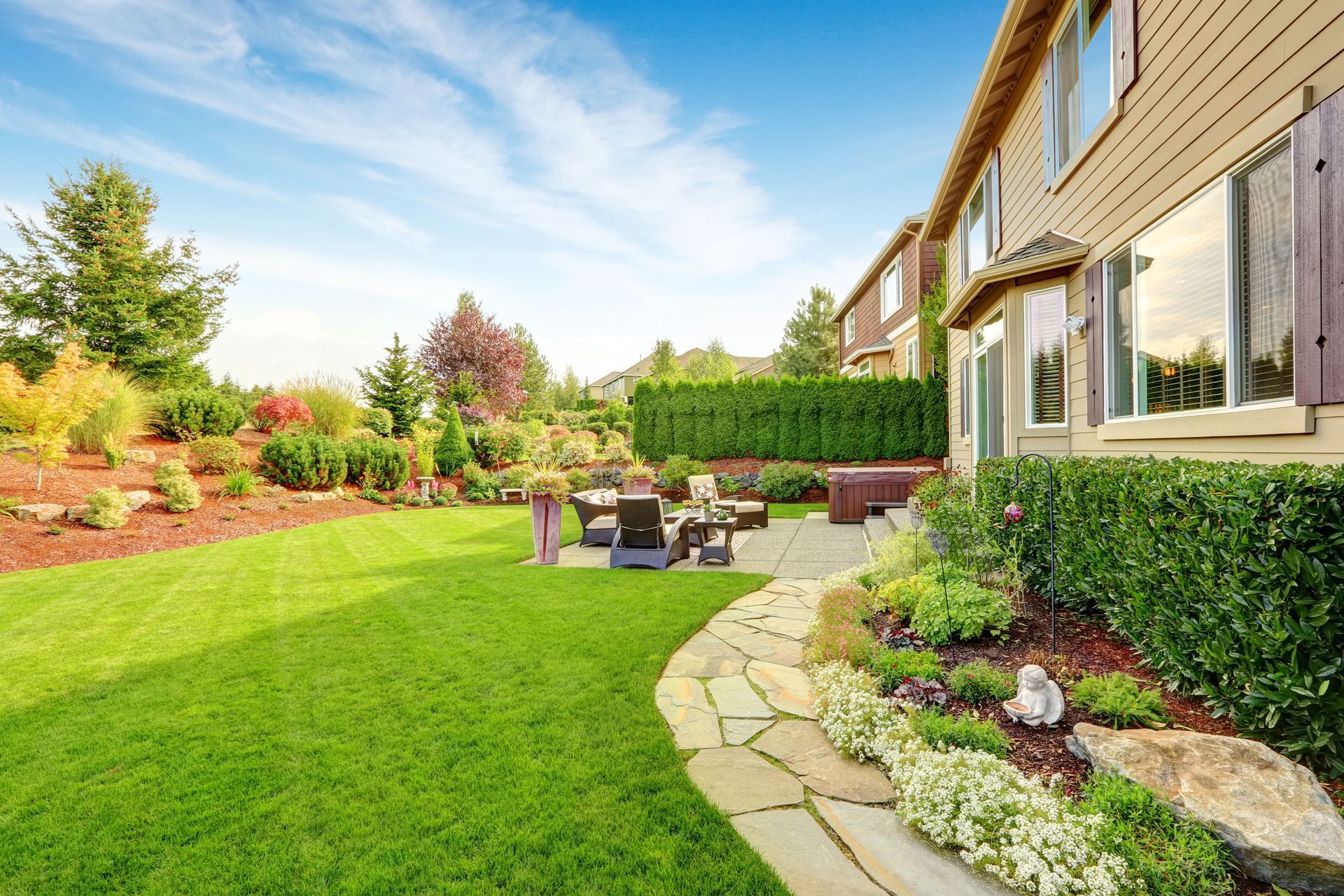
Material selection should account for surrounding trees, gardens, walkways, and other landscape elements. Complementary surfaces help connect these features and create a unified environment. For example, natural stone can blend with garden beds, while clean concrete lines provide contrast against greenery. Planning these relationships helps create a more functional and attractive patio area.
Planning Professional Installation
Understanding the Benefits of Professional Work
Professional installation helps ensure materials are selected and installed according to the property's conditions. Contractors can evaluate drainage, soil stability, and grading, which influence long-term performance. They also understand the installation requirements of different surfaces, helping prevent problems associated with improper preparation. Professional workmanship can improve the appearance and durability of the finished project.
Choosing a Qualified Contractor
Before hiring an installer, homeowners should review previous projects, customer feedback, and references. Requesting detailed estimates makes it easier to compare pricing, materials, and project timelines. A reliable contractor should explain the proposed work, communicate clearly, and address questions before construction begins. Reviewing these details helps establish realistic expectations.
Reviewing Project Timelines and Warranties
Installation schedules should account for material availability, site preparation, and potential weather delays. Discussing these factors with the contractor helps homeowners plan around construction. It is also important to understand available warranties and post-installation support. Written agreements should clearly explain coverage, its duration, and any recommended maintenance.
Choosing the right materials for a patio project involves balancing appearance, durability, maintenance, and budget. Each option offers distinct advantages, so the best choice depends on the property's conditions and how the space will be used. Careful planning and professional installation can help homeowners create an attractive environment that adds enjoyment and value to their property. For guidance with material selection, design, and installation, homeowners can contact 4-Seasons Landscape to discuss their outdoor improvement goals and develop a space suited to their needs.