October 31, 2026
A well-designed yard can provide a comfortable place to relax, spend time with family, and enjoy the outdoors. With the right layout and features, an outdoor space can become an extension of your home while adding visual interest to the surrounding landscape. Hardscaping can help create defined areas for different activities, improve the flow of a yard, and make outdoor spaces more useful throughout the year. This article explains how thoughtful outdoor design, durable materials, and professional planning can help transform an ordinary yard into a welcoming outdoor retreat.
Creating a Functional Outdoor Space
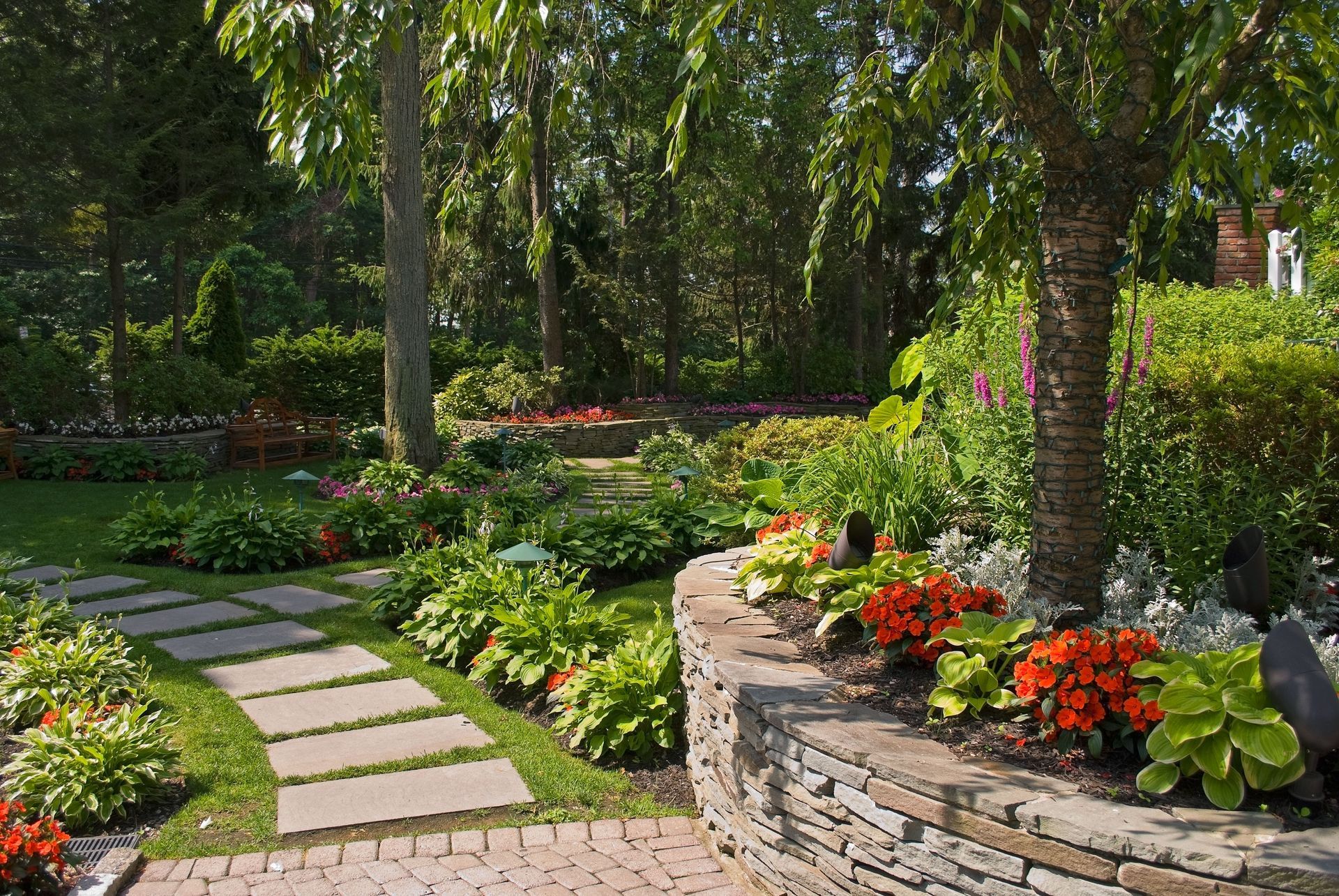
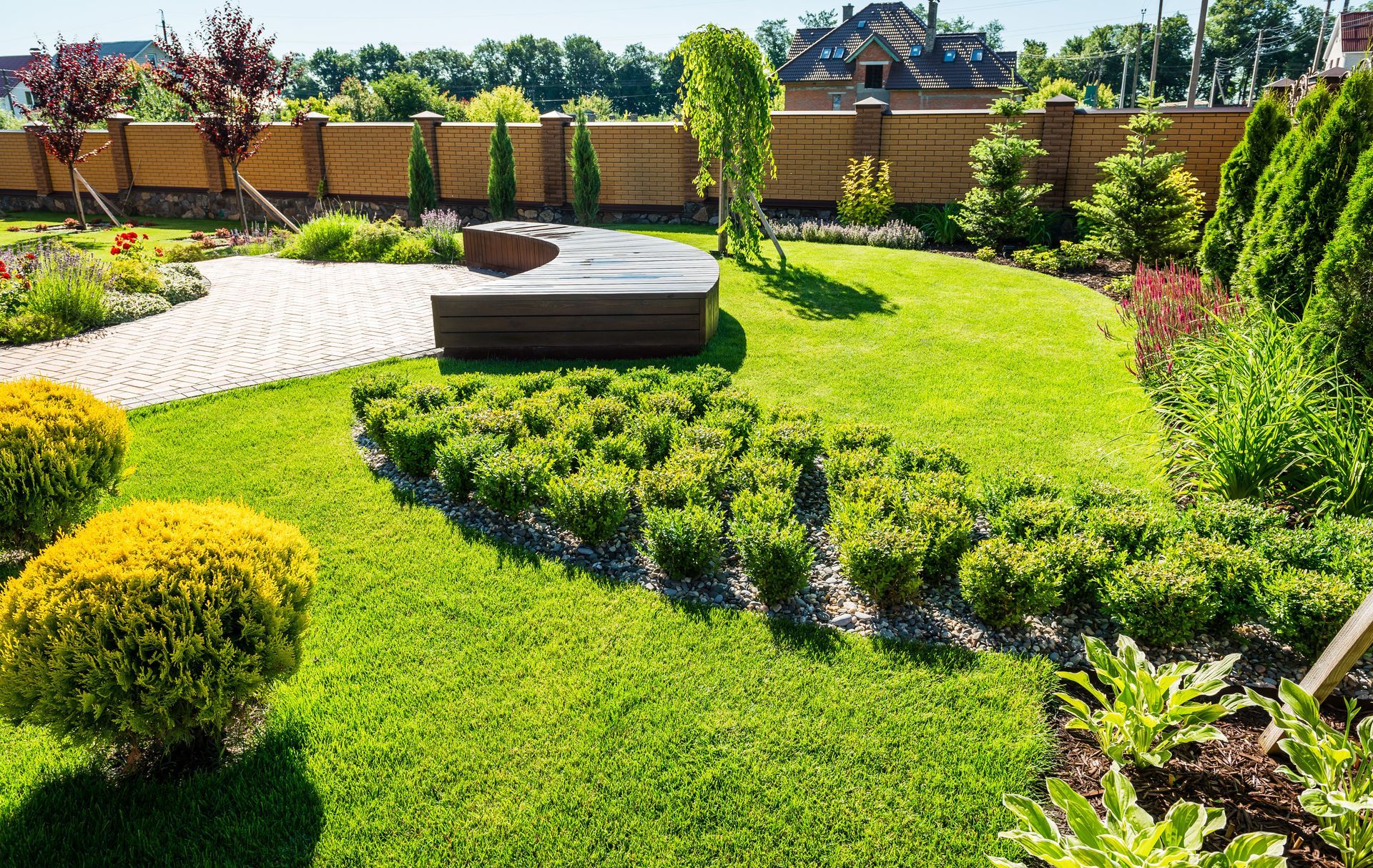
A comfortable outdoor space starts with a layout that fits the needs of the people who use it. Some yards may benefit from open areas for gatherings, while others may need quieter spaces for relaxation. Considering how the space will be used helps determine where different features should be placed and how people will move through the yard. Hardscaping can help establish clear boundaries between different areas without making the landscape feel crowded. Defined walkways, seating areas, and other structural features can give the yard a more organized appearance. When these elements work together, the outdoor space can feel connected rather than divided into separate sections.
The size and shape of the yard also affect the design. Smaller spaces may benefit from simple layouts that keep the area open, while larger properties may have room for several distinct gathering areas. Existing trees, plants, slopes, and buildings should also be considered when planning the arrangement. Seeking professional help can make it easier to determine which improvements fit the available space. A landscape professional can assess the property's layout, discuss how the yard will be used, and recommend a design that balances appearance and function. Careful planning helps create an outdoor setting that feels comfortable and practical.
Improving Comfort and Usability
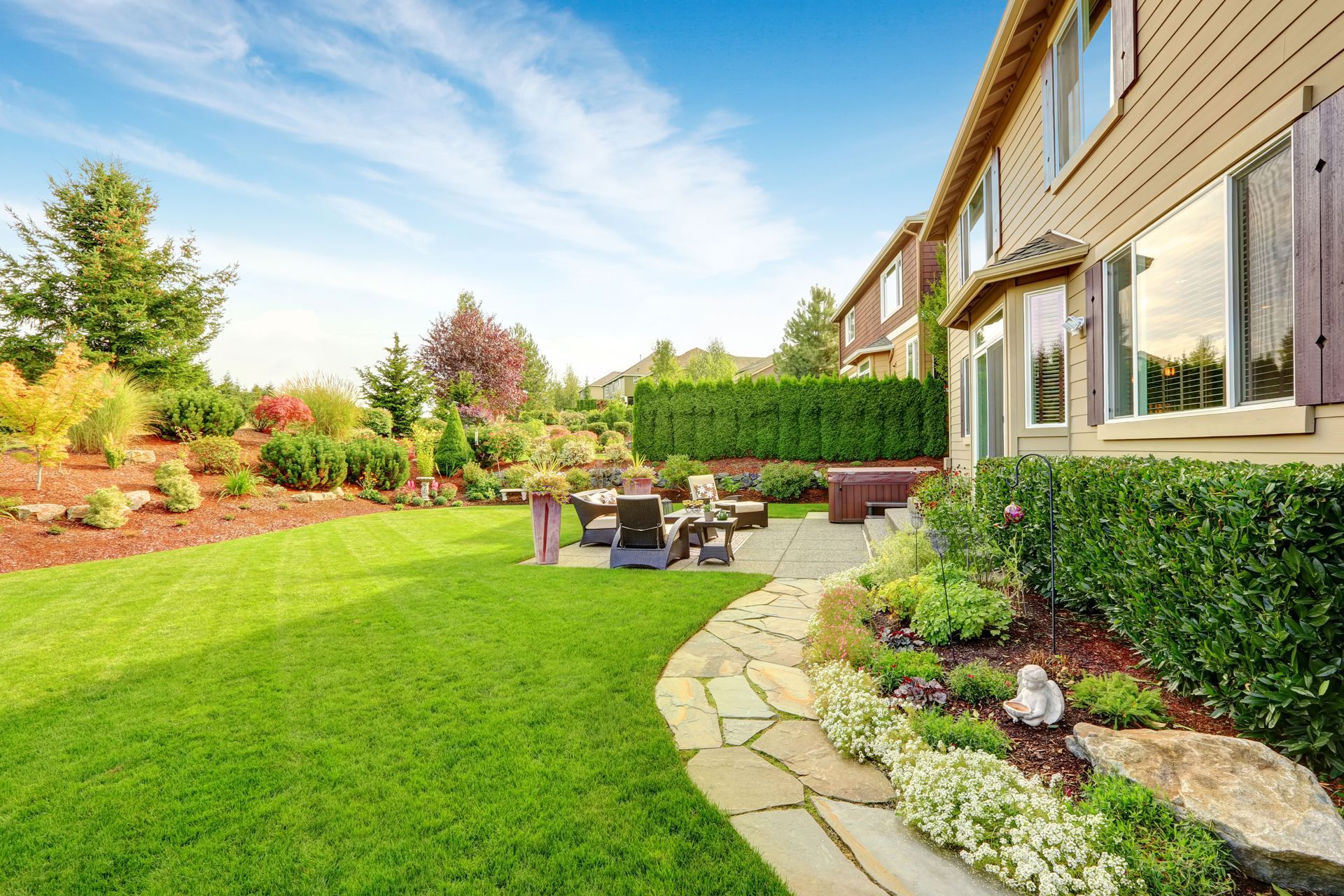
An outdoor oasis should offer more than an attractive appearance. It should also provide comfortable places to sit, gather, and enjoy the surrounding environment. The placement of seating areas, paths, and open spaces can affect how easily people use the yard throughout the day. Creating designated gathering areas can make outdoor activities more convenient. A well-positioned patio or seating space can provide room for conversations, meals, and family gatherings. Clear pathways can connect these areas to the house and other parts of the property, making it easier to move around without crossing uneven ground or walking through planted areas.
Shade and privacy also influence outdoor comfort. Trees, shrubs, and other landscape elements can help create a more secluded atmosphere, while thoughtful placement of seating areas can provide some distance from nearby properties. These features can work together to make the yard feel more inviting. The surrounding environment should guide decisions about the layout. Areas exposed to direct sunlight may need different considerations from shaded sections of the yard. Drainage, wind exposure, and access to the home can also affect where outdoor features work best. Professional planning helps account for these conditions before construction begins, reducing the likelihood of changes later.
Selecting Materials That Fit the Landscape
Material selection plays an important role in the appearance and long-term performance of an outdoor space. Colors, textures, and finishes can influence whether the yard feels modern, traditional, rustic, or natural. Choosing materials that complement the house and surrounding landscape can create a consistent look throughout the property. Natural-looking materials may work well in yards with mature trees and established gardens. Simpler finishes can complement homes with clean architectural lines, while varied textures may add character to more traditional outdoor settings. The goal is to choose materials that support the overall design instead of competing with other landscape features.
Durability is another important consideration. Outdoor surfaces experience regular exposure to sunlight, rain, temperature changes, and everyday use. Some materials may be better suited to certain conditions than others, depending on their surface, maintenance requirements, and installation needs. Hardscaping should also complement the existing landscape rather than overpower it. Large structural features may dominate a small yard, while smaller elements can become difficult to notice in a spacious setting. Finding the right balance between built features and natural surroundings helps create an outdoor space that feels cohesive.
Enhancing the Natural Surroundings
Plants, trees, and other natural features help soften the appearance of an outdoor space. When combined with structural elements, they can create a balanced landscape that feels welcoming and connected to its surroundings. The relationship between built features and greenery should be considered early in the design process. Plant placement can help define outdoor areas without creating a closed-in feeling. Shrubs may provide privacy along property boundaries, while flowers and other plants can introduce color near seating areas and walkways. Trees can add shade and visual interest, depending on their location and growth patterns.
The arrangement of these features matters just as much as the plants themselves. Greenery placed along the edges of a patio or beside a walkway can help the area blend into the rest of the yard. Leaving enough open space can prevent the landscape from feeling crowded and preserve room for movement and outdoor activities. Drainage should remain part of the planning process. Water that collects near structures or flows across walking surfaces can affect the condition and usability of the yard. Soil conditions, grading, and the location of existing drainage features should be evaluated before major landscape changes are made.
Increasing the Value of Outdoor Improvements
Outdoor improvements can affect how a property looks and how people experience it. A well-maintained yard may provide more room for relaxation, create a welcoming first impression, and make the surrounding property more enjoyable. These benefits can be meaningful for people who spend considerable time at home. According to the National Association of Realtors, 58% of homeowners said they had a greater desire to be at home after completing professional lawn care improvements. This finding highlights how changes to outdoor spaces can influence the way people feel about their properties. An attractive yard can provide a more pleasant setting for everyday activities and encourage people to spend more time outside.
The value of outdoor improvements depends on the property's condition, design quality, and how the space is used. Features that improve access, create gathering areas, and complement the home can make the property more appealing. Hardscaping adds structure and helps organize the yard, creating defined spaces that are easier to navigate. The best improvements fit the property's size and surrounding landscape. However, no single upgrade guarantees an increase in property value. Focusing on usability, appearance, and long-term maintenance can help property owners make practical choices.
Planning Improvements for Long-Term Enjoyment
Planning an outdoor oasis starts with understanding how the space should look and function. Consider current needs, future plans, and budget when deciding which improvements to prioritize. A yard designed for relaxation may need a different layout from one intended for gatherings or outdoor activities. Planning the layout, access, and drainage early can help prevent unnecessary changes during construction. It is also important to consider how materials, pathways, and plants will work together. A coordinated design can create a complete look without requiring every feature at once. Working with a landscape professional can help identify site limitations, compare options, and plan improvements that fit the property's conditions and your preferences.
A successful outdoor retreat balances appearance with everyday use. Comfortable gathering areas, clear pathways, greenery, and suitable materials can create an inviting space. With thoughtful planning and regular maintenance, your yard can become a comfortable extension of your home. Contact 4-Seasons Landscape to discuss how professional hardscaping can transform your yard into an outdoor oasis.